Met Office

Understanding our climate

Weather and climate have a profound influence on life on Earth. The weather is the fluctuating state of the atmosphere around us. Climate is the average, variations and extremes of weather in a region over long periods of time.

Rainforest canopy

Because the atmosphere interacts with the underlying surface — oceans, land, and ice — the term climate system is used to encompass both the atmosphere and the influence of the Earth's surface on climate.

The climate system consists of five elements: the atmosphere; the ocean; the biosphere; the cryosphere (ice and snow) and the geosphere (rock and soil). These components interact on many different scales in both space and time, causing the climate to have a large natural variability; and human influences such as greenhouse-gas emissions add further complexity.

The atmosphere: Is a thin layer of mixed gases which covers the Earth and helps it from becoming too hot or too cold. Its circulation, the heat (terrestrial radiation) and light (solar radiation) which pass through it, and the processes which go on in it, all affect the climate.

The ocean: There is a constant exchange of heat, momentum and water between the ocean and the atmosphere. The ocean can absorb and dissipate heat, influencing our climate. Ocean currents transport large amounts of heat and water around the world.

The land surface, including its vegetation and seasonal snow cover, has an important influence on the flow of air over it, the absorption of solar energy, and the water cycle.

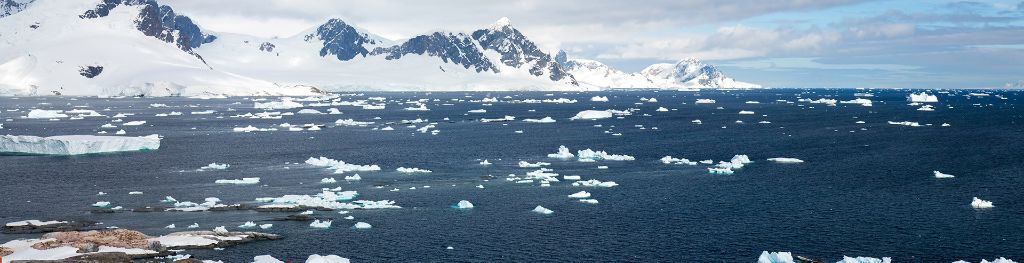
The cryosphere: Parts of the world whose surface is ice-covered, principally sea ice in the Arctic and Southern Oceans and the land-based ice sheets of Greenland and Antarctica.

The biosphere: The biosphere is the part of the Earth, including air, land, surface rocks, and water, within which life occurs. It plays a major role in the carbon cycle and in determining the atmospheric concentration of carbon dioxide.

Last Updated: 7 February 2011