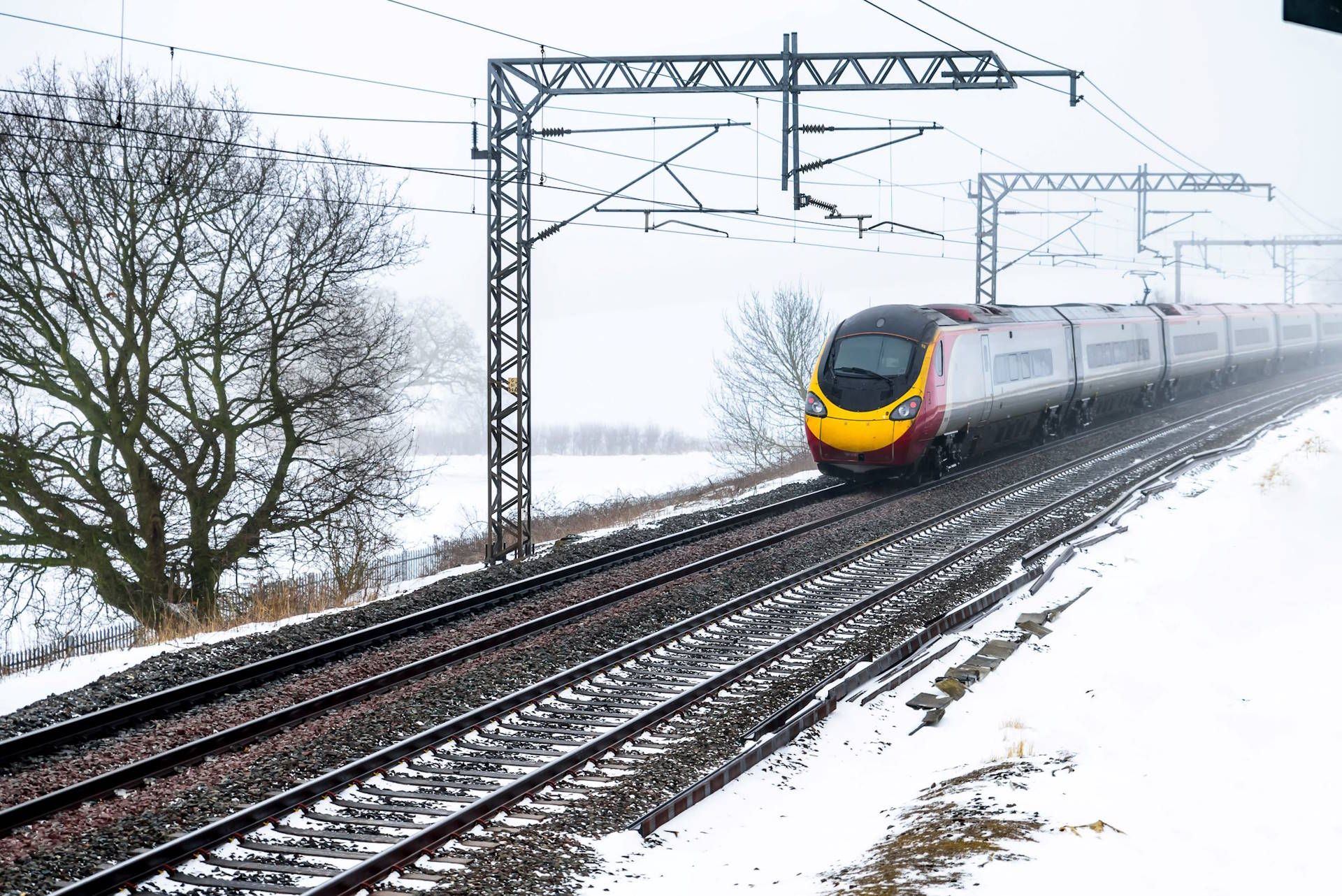
With wetter winters becoming the norm, the UK transport sector needs to prepare for increasing hazards in a changing climate
The transport sector faces challenges from a large variety of natural hazards including storms, flooding, and landslides many of which will pose increasing pressures as the climate changes.
This is the message from the Department of Transport and the Met Office.
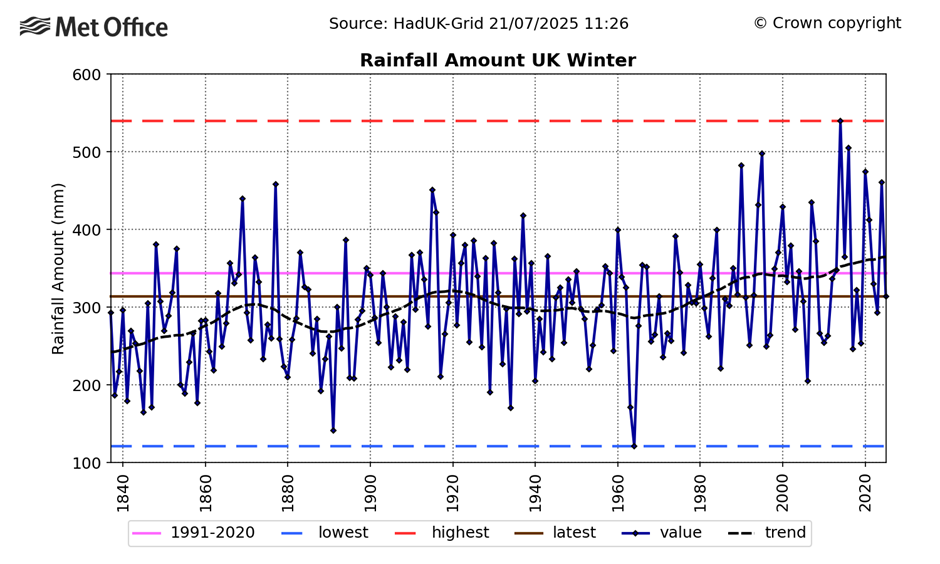
Today (Monday 1 December 2025), on the first day of meteorological winter, the recent cold weather reminds us of the importance of preparing for winter hazards. But, with winters becoming wetter overall, hazards such as flooding and landslides will increasingly be a fixture of UK winters, as rainfall both increases and becomes more extreme.
The Department for Transport and the Met Office, together with other partners, have created a series of transport hazard summaries reminding all those in the sector of the natural and weather-related risks which can damage infrastructure and disrupt journeys. The new resource helps transport operators understand their specific risks and provides practical advice to help the transport sector to be more resilient to these hazards.
The guidance provides a plain-language summary of key hazard areas for transport such as snow and ice, droughts and coastal erosion and provides concise and focused detail to support planning and response. Each summary addresses specific impacts across road, rail, aviation, and maritime transport sectors.
Reliable
Department for Transport Director for Resilience, Andy Gregory said: “Safe and reliable transport is a cornerstone of our daily lives and economy in the UK, yet it faces growing risks from natural and weather-related hazards. The climate is changing, and we have all witnessed the impacts on our transport system of hazardous weather events that have been more extreme as a result.”
These summaries provide transport operators with the information they need to assess present risks to their networks and plan for future challenges, to build the resilience of our transport system and help keep Britain moving safely and efficiently.”
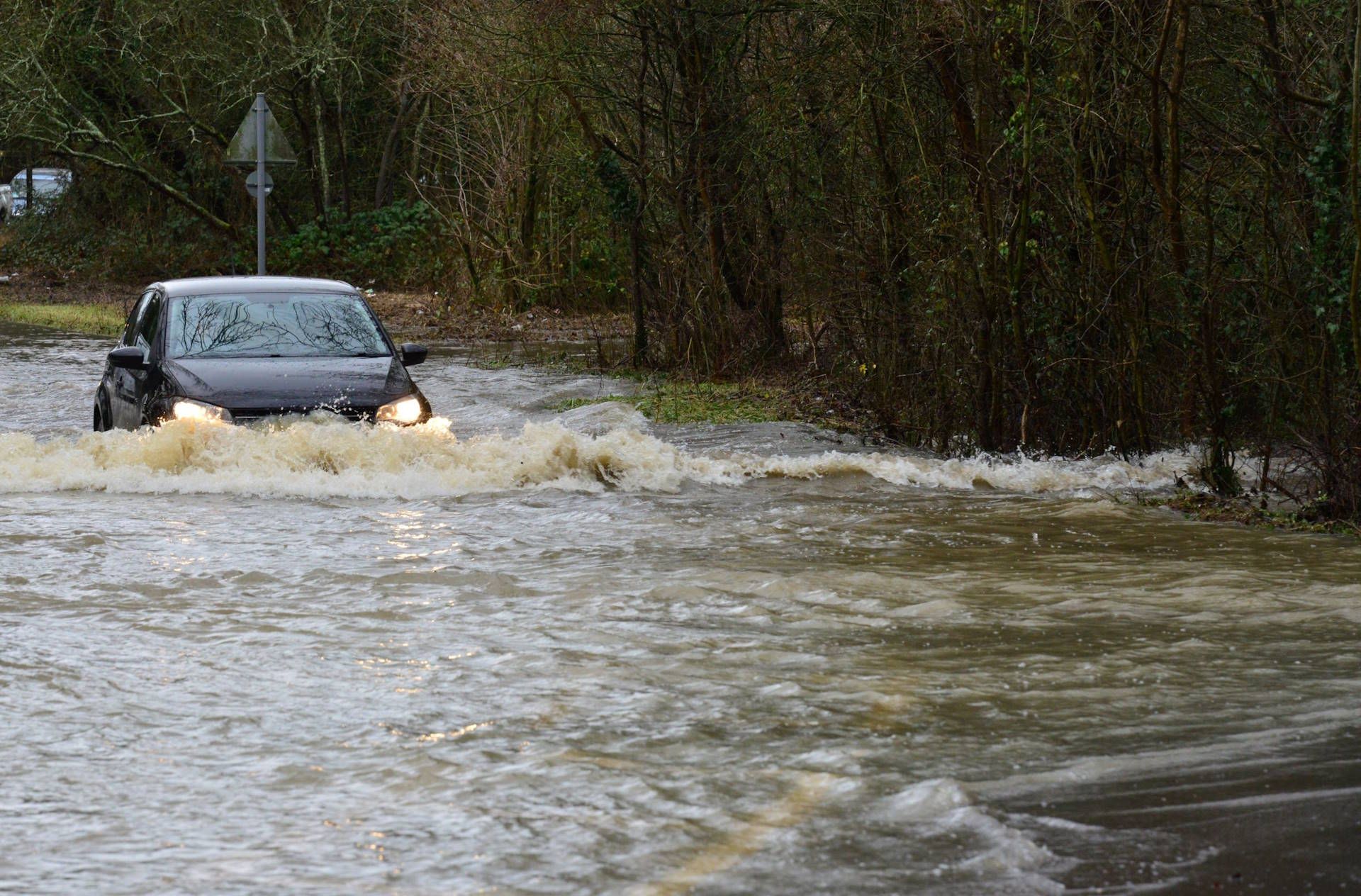
For example, one of the impacts of a changing climate is the increase in number of days in the UK that are projected to see very intense or prolonged heavy rainfall. This can in turn lead to flooding, having a significant impact on transport operations, affecting infrastructure, vehicle performance, and even passenger safety.
In the present-day climate (using observations from 2000-2017) there are an average of seven days per year (six to nine days) of rainfall of more than 80mm per day. But with rising temperatures this number is set to increase. For example, if the global average temperature rises to +2C above pre-industrial levels then we are projected to see a corresponding increase in heavy rainfall days to nine days (range: eight to ten days). While at +3C – a plausible scenario for the second half of the century – then we could see an average of ten days per year (range: nine to 12 days) of heavy rainfall: a 43% increase compared with current levels.
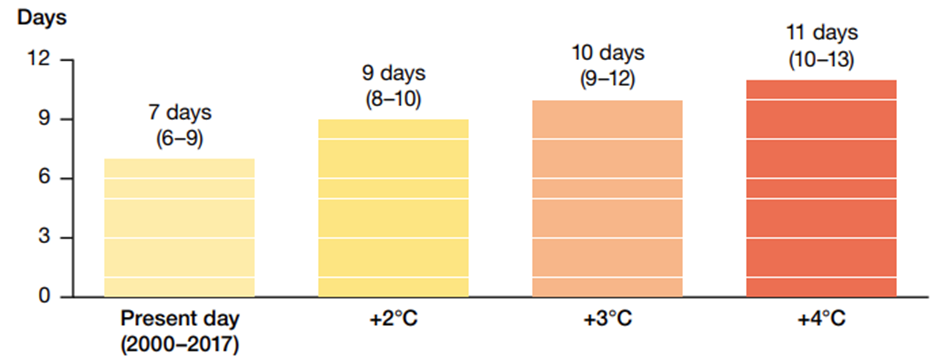
The projected average occurrence of days with heavy rainfall of more than 80mm per day for different global warming levels.
Resilience
Strategic Head of UK Applied Science at the Met Office, Mark Harrison, said: “As our climate changes building resilience is critical. Improved forecasting, early-warning systems, and close collaboration with partners like the Department for Transport are essential to keep people safe and transport networks moving. Climate projections indicate we can expect more frequent intense rainfall events, which can overwhelm drainage systems, disrupt road and rail services, and damage critical infrastructure. Flooding events such as those experienced in 2007 or 2015/16 cost the UK transport sector hundreds of millions of pounds in repairs and delays, and with wetter months ahead, it remains one of the most significant climate-related risks.”
Developed through collaboration with other transport and government organisations, the summaries provide accessible, actionable guidance on hazards and practical advice on how to assess and manage the risks they pose in specific areas of the transport network. They promote a comprehensive 'resilience cycle' approach that helps transport operators assess risks, implement preventive measures, and build long-term adaptation strategies to maintain safe and reliable services in our changing climate.
Summaries
These summaries are available at www.gov.uk/government/collections/transport-hazard-summaries and include information on:
- Changing climate
- Risks and resilience
- Storms
- Coastal flooding and erosion
- Groundwater flooding
- River flooding
- Surface-water flooding
- Extreme heat
- Drought
- Wildfires
- Cold weather
- Air quality and air pollution
- Severe space weather
The Met Office provides essential weather and climate information that helps the transport sector make safe and smart decision, whether for day-to-day operations or long-term planning. By offering reliable data and expert advice, we support transport operators in understanding current conditions and preparing for future climate challenges.