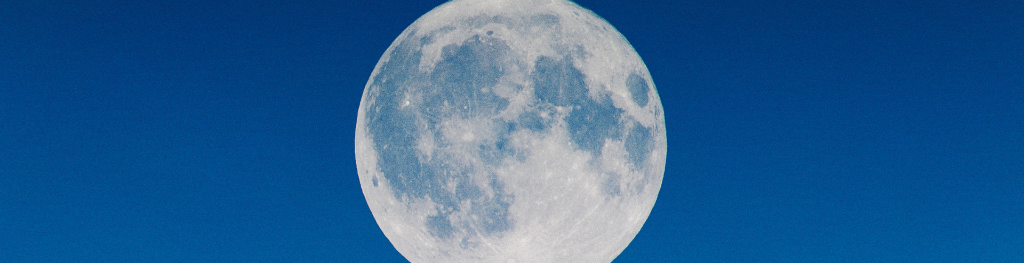
Last supermoon of 2025 tonight, but will it be clear enough to see it?
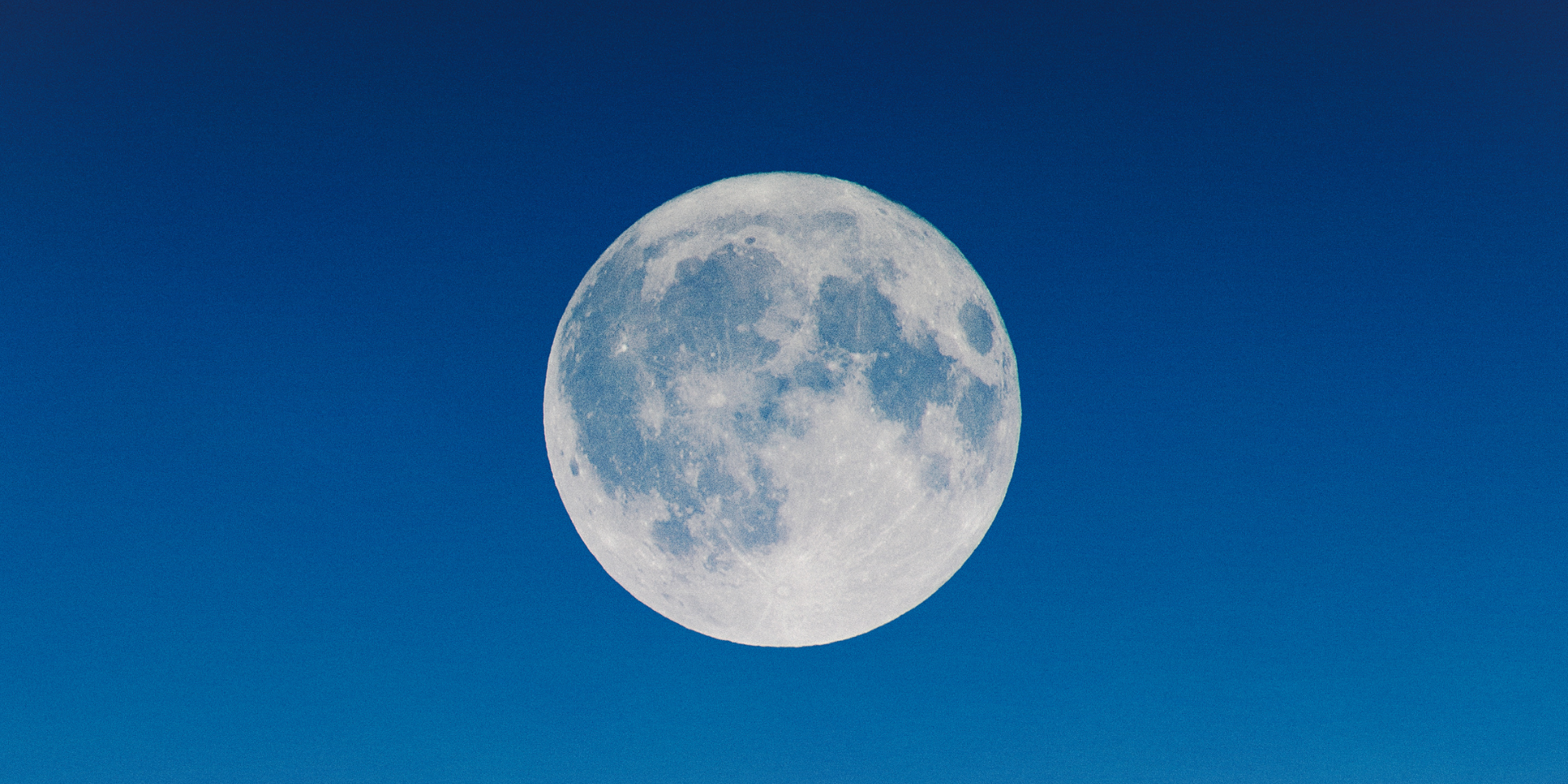
Tonight, skywatchers across the UK are in for a celestial treat as the final supermoon of 2025, known as the Cold Moon, rises above the horizon.
Tonight, skywatchers across the UK are in for a celestial treat as the final supermoon of 2025, known as the Cold Moon, rises above the horizon.
This event marks the third consecutive supermoon in recent months, following October’s Harvest Moon and November’s Beaver Moon. For those eager to catch a glimpse, the supermoon will be visible from around 14:30 GMT on Thursday until about 09:00 on Friday, though exact timings will vary depending on your location.
What is a supermoon?
According to the BBC, a supermoon occurs when a full Moon coincides with the point in its orbit where it is closest to Earth, known as perigee. Because the Moon’s orbit is slightly elliptical rather than perfectly circular, there are times when it appears larger and brighter in the night sky. When this closest approach aligns with a full Moon, the result is a supermoon - a phenomenon that makes our natural satellite appear particularly striking to observers on the ground.
While supermoons are not especially rare, typically, there are three or four each year, it is unusual to have three in a row, as we have seen this autumn and winter. In fact, this month’s Cold Moon is part of a sequence of four, which will include the first full Moon of 2026.
Weather outlook: Will you get a clear view?
As with all astronomical events, the weather will play a crucial role in determining visibility. Tonight’s forecast suggests that viewing conditions will be mixed across the UK:
- Northern England and Scotland: Cloud cover is expected to hinder visibility throughout the evening, with a band of cloud and rain moving slowly north-eastwards. Some areas may see this cloud linger until morning, making sightings more challenging.
- Southern England, West Midlands, western Wales, south and southwest England: These regions could enjoy clearer spells during the evening, offering better chances to see the supermoon.
- Northern Ireland and Wales, and central England: Clear spells are likely for much of the night, though occasional shower clouds may obscure the view at times. Fog patches are also likely to form in some places, so be prepared for changing conditions.
How to make the most of the supermoon
If you’re hoping to see or photograph the supermoon, here are a few tips:
- Check the forecast: Use up-to-date weather information to find the best window for clear skies in your area.
- Find an open view: The Moon will appear largest and most dramatic when it is close to the horizon, so try to find a spot with an unobstructed view to the east as the Moon rises.
- Dress warmly: It will be a cold night, with temperatures dropping close to freezing and a touch of frost possible in some areas. Wrap up well, especially if you plan to be outside for an extended period.
- Be patient: Cloud cover can change quickly, so keep an eye on the sky throughout the evening and into the early hours.
The science behind the supermoon
The supermoon phenomenon is a reminder of the dynamic relationship between the Earth and its only natural satellite. The Moon’s elliptical orbit means its distance from Earth varies by about 50,000 kilometres over the course of a month. When the full Moon occurs at or near perigee, it can appear up to 14% larger and 30% brighter than when it is at its farthest point, known as apogee.
Whether you’re a seasoned astronomer or simply enjoy gazing at the night sky, tonight’s supermoon offers a wonderful opportunity to connect with the natural world. With a little luck and some clear skies, you’ll be able to witness the final supermoon of 2025.