Rising greenhouse gas concentrations lead to ice loss and drying soils
The global climate in 2025 set several new records, including atmospheric concentration of carbon dioxide, the loss of glacial ice from mountain regions, and the dryness of global soils.
The 2025 edition of the BAMS State of the Climate report – published by the American Meteorological Society (AMS) - shows that many climate metrics are deteriorating in line with the ongoing increasing concentration of greenhouse gases in the atmosphere.
Dr Robert Dunn of the Met Office is the lead editor for the Global Climate chapter of the BAMS report. He said: “2025 was exceptional when compared to the conditions in the 20th Century, with temperatures well above average. When seen in conjunction with 2024 and 2023, the last three years have been truly exceptional, eclipsing records that we saw only a decade earlier.”
Key metrics from this year’s BAMS State of the Global Climate report include:
Record low soil moisture
Global soil moisture conditions were drier on average in 2025 than in any other year since the start of the satellite record in 1991. This was largely driven by below-average soil moisture in the northern hemisphere with particularly dry conditions observed in latitudes above 55°N. Soil moisture influences vegetation growth, and has impacts on surface air temperature and extreme weather events, including heatwaves and wildfires.
Glaciers continue to shrink
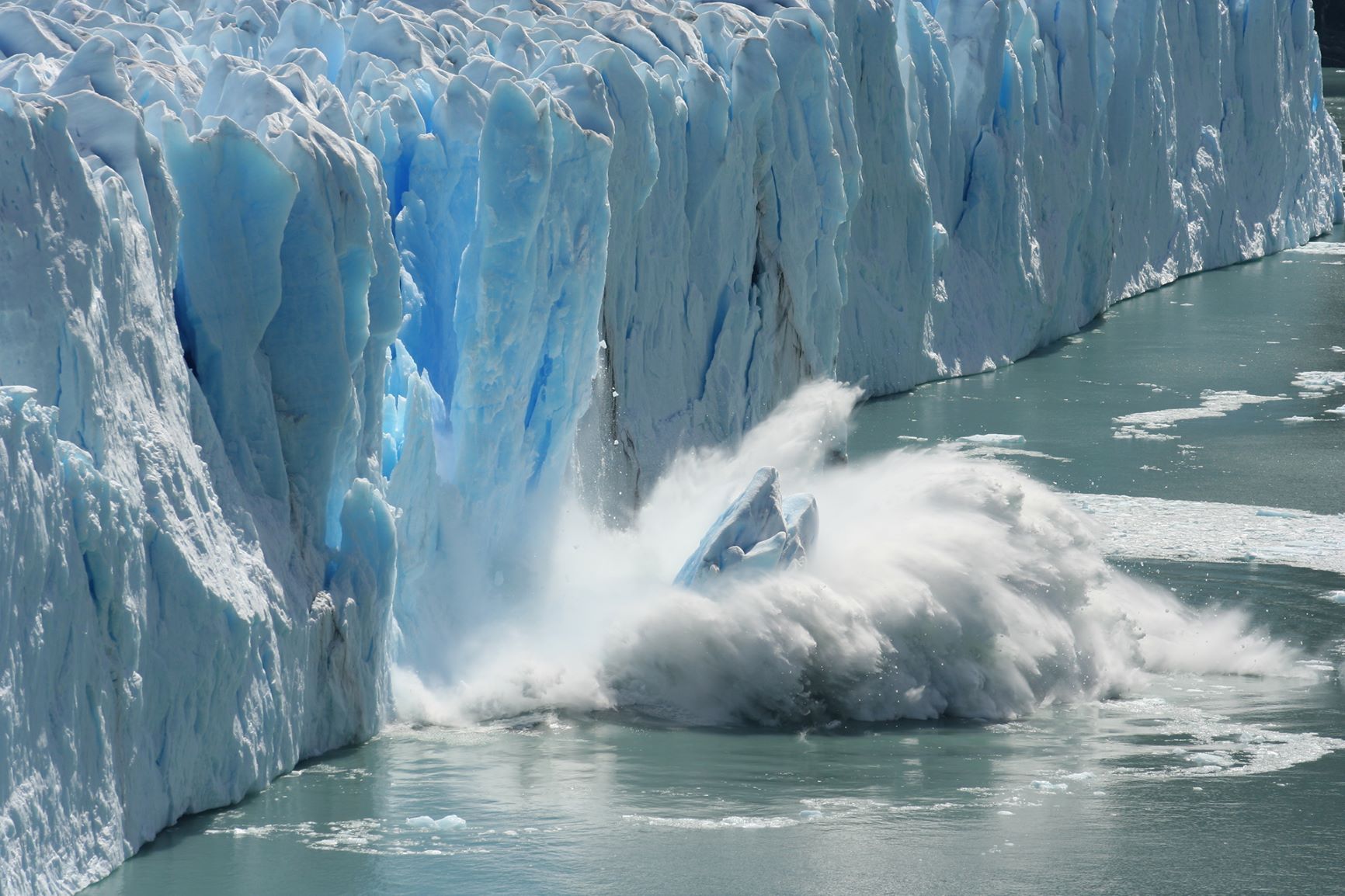
For the 38th year in succession, glaciers on average lost more ice in summer than they gained in winter. This negative mass balance makes glaciers thinner and shorter. Since 1976, around 9000Gt of water has been lost from glaciers, and 41% of this loss has been over the last decade. At least 181 glaciers are now registered as extinct according to satellite imaging records.
Global average temperature remains near record high
2025 was the warmest year on record without the influence of an El Niño event to influence global temperature. 2023 to 2025 were the three warmest years on record. According to all five global surface temperature datasets used in the report, January 2025 was the warmest January in the record, and most other months – except December - ranked in the top three.
Earth’s greenhouse gas concentrations: highest on record
Carbon dioxide (CO₂), methane, and nitrous oxide—Earth’s major atmospheric greenhouse gases—once again reached record-high concentrations in 2025. The globally averaged CO₂ level reached 425.6±0.1 parts per million, a 53% increase from the preindustrial level of ~278 ppm. Fossil fuel emissions in 2025 were also a record high in 2025, estimated to be 10.3±0.5 petagrams of carbon per year, more than three times the 3.0±0.2 petagrams of carbon per year in the 1960s.
Robert Dunn added: “The ongoing impact of rising atmospheric greenhouse gas concentrations from the burning of fossil fuels is clear. Across many metrics in this report, the conditions and events in 2025 are entirely consistent with continuing human-caused climate change.”
The State of the Climate report is published by the American Meteorological Society, and this is the 36th report in the series. Over 600 scientists from 60 different nations contributed to this latest edition, which aims to put the events and conditions of the previous calendar year into the context of the long-term changes. The Global Climate chapter covers over 40 different metrics, with the editorial team led by the Met Office.
Many of the metrics in the BAMS State of the Climate report are also shown on the Met Office Climate Dashboard (https://climate.metoffice.cloud).