Third consecutive day of a new June temperature record with end of heatwave in sight
The UK has provisionally seen a new maximum temperature record for June for the third consecutive day, with 37.3°C reached at Santon Downham in Suffolk on 26 June.
This exceeds the figures reported on 24 and 25 June and, if confirmed via the verification process, would become the new daily maximum air temperature record for the month of June.
A number of other weather stations have also exceeded the previous record of 35.6°C which was reached on 28 June 1976 and 29 June 1957.
Met Office Chief Forecaster Andy Page said: “Friday marks the peak of the heatwave in terms of temperatures and the third consecutive day of record-breaking June heat.
“This exceptional heat has been unprecedented for June and is another marker on how climate change is shifting the dial on temperature extremes in the UK.”
This week has also seen Wales set a new daily maximum temperature record for June, with 35.9°C at Bute Park, Cardiff, set on 25 June. The same station set the night-time highest minimum temperature record for the UK and for Wales, with 23.5°C reported overnight from Wednesday into Friday.
England also provisionally set a highest minimum temperature record for June on the same night, with 23.0°C in Plymouth.
Northern Ireland provisionally equalled its warmest June day on record with 30.8°C at Castlederg on 25 June, putting it level with the peak figure on 30 June 1976. Northern Ireland has provisionally broken its highest minimum temperature record overnight Thursday into Friday, with 19.1°C the figure reached at Murlough.
Heatwave easing over the weekend
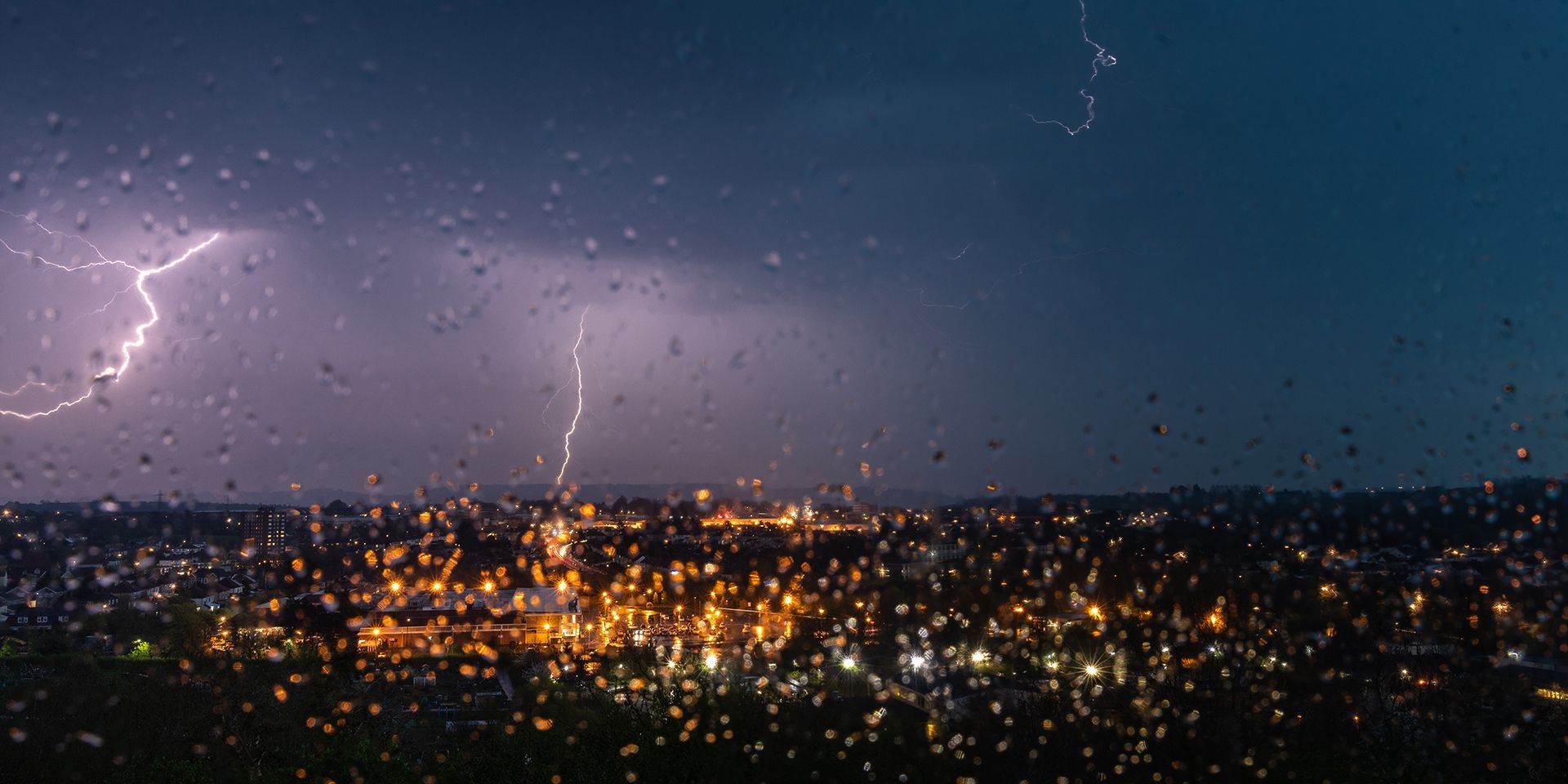
The third consecutive day of June’s record-breaking temperatures comes as parts of the UK are transitioning to more of a westerly influence which brought thunderstorms for some. A drop in temperatures will develop in the west at first, with these fresher conditions spreading slowly further east over the course of the weekend.
Looking ahead to the weekend forecast, Met Office Chief Forecaster Andy Page said: “The UK is seeing a gradual shift in conditions over the weekend, with those to the southeast of England retaining the warmth the longest, where an Amber Extreme Heat Warning remains in force through much of Saturday, though peaks are more likely to be in the low 30s Celsius.”
Western parts of Scotland and much of Northern Ireland will see rain for a time on Saturday, with showers likely spreading further south in places on Sunday, though these will be fairly light in nature. Those to the southeast could remain dry through the weekend, although there is a risk of thunderstorms here before temperatures return more towards average later on Sunday and into Monday.
Learn how to stay safe in thunder and lightning.
Next week sees a mixed picture for the UK’s weather, with a combination of cloud and sunny spells, as well as influxes of rain from the west at times.
Verifying records
At the conclusion of the heatwave, the verification process will begin for any new national records. The equipment and site will undergo a rigorous validation process before a decision is made on officially inducting any new figures into the meteorological record books.
This process will include site inspections and verification checks of the equipment used to measure the temperature.
In order for a value to be treated as an official national record, the Met Office follows national and international best practice and guidance. If the figure doesn’t meet the required standards, it will be rejected as an official national record.
Find out more about the process with the verification for May’s temperature records.
Staying safe in the water
Samantha Hughes is the National Water Safety Partner at the RNLI. She said: “It’s important to remember that the water is still cold. Entering it unexpectedly can lead to cold water shock, causing a sudden increase in breathing and heart rate, which may trigger panic.
“If you find yourself struggling in the water, remember to Float to Live: tilt your head back so your ears are submerged, relax and control your breathing. You may need to gently use your hands to help you stay afloat, and it’s ok if your legs sink—everyone floats differently.
“Where possible, always choose a lifeguarded beach, and swim between the red and yellow flags. In a coastal emergency remember to call 999 for the coastguard.”
You can find the latest forecast on our website, on YouTube, by following us on X and Facebook, as well as on our mobile app which is available for iPhone from the App store and for Android from the Google Play store.