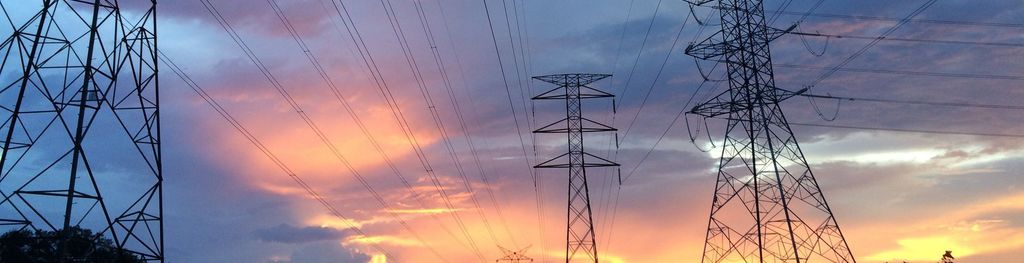
Using weather and climate expertise to support a more resilient energy network
In this case study, we learn about how the Met Office is working with SSEN Transmission to improve energy network resilience
Read the full case study below or download the case study as a PDF.
For more information, contact us at energy@metoffice.gov.uk
Overview
SSEN Transmission is responsible for the electricity transmission network in the north of Scotland, playing a key role in connecting offshore renewable energy for use across the UK, and supporting the UK’s transition to a low-carbon energy system.
Across a suite of innovative projects, our work with SSEN Transmission shows how high-resolution meteorological data and advanced modelling can improve the planning, design and operation of electricity transmission infrastructure across the UK.
By applying detailed, location-specific insights to real engineering challenges, we support more robust asset design, informed decision making, greater operational efficiency and infrastructure that is better prepared for future weather conditions and growing network demand.
How we help
Layered ice mapping model
We developed a layered ice mapping model that goes beyond traditional standards by integrating Met Office data into a more detailed assessment of ice accretion for new and upgraded overhead line projects. Providing a better understanding of loading from ice accretion and minimising over engineering.
Corrosion mapping
We worked together to create a high-resolution corrosion mapping model. By combining meteorological, geographical and topographical data, including coastal influences and microclimates, the model helps engineers assess asset vulnerability and make more informed decisions about materials, maintenance and construction.
REVISE
Through REVISE (Revisiting and Evaluating Environmental Inputs on Line Ratings), we are helping transform how overhead line ratings are determined. Using granular weather data and advanced modelling, the project aims to optimise network capacity, lower operating costs and support smarter investment decisions.
Alongside the Met Office and SSEN Transmission, REVISE is delivered with National Grid Electricity Transmission, SP Energy Networks, the National Energy System Operator, the University of Strathclyde, and Energyline. The project has secured £5.8 million in funding from Ofgem’s Strategic Innovation Fund.
In addition to these innovation projects the Met Office is working with SSEN Transmission project engineering to better understand the impact of wind along the routes of overhead lines in support of Dynamic Line Rating implementation and a more efficient network.
Our impact
This work is helping deliver safer, more resilient and more cost-effective electricity networks.
The ice mapping tool alone is forecast to save around £125 million across SSEN Transmission’s current portfolio, while also supporting faster project delivery and reducing unnecessary modifications.
Corrosion mapping helps extend asset life and improve long-term maintenance planning, while REVISE is unlocking opportunities to increase network capacity and support the transition to a low-carbon energy system.
Together, these innovations show how better use of weather and climate data can solve longstanding engineering challenges and future-proof critical national infrastructure, accelerate delivery, and unlock more capacity from the existing network.
“Across all three innovative projects, a common theme is the smarter use of modern granular weather and climate data to tackle longstanding engineering challenges. By designing assets based on the conditions they actually experience, rather than by making assumptions, we can improve safety, reduce unnecessary cost, and unlock more capacity from the network we already operate.”
Alan Ritchie, Senior Manager of Innovation at SSEN Transmission
“This is an example of the Met Office science consultancy working with partners to bring the depth of understanding we have of weather together with engineering and technology to deliver solutions that support the UK’s clean energy ambitions.
"Weather matters not just in terms of ‘wear a coat or not’, but for how much we spend on designing and building new equipment or upgrading what we have, how we keep all this equipment safe, and how we help it all to work well into the future.”
Phil Hodge, Senior Account Manager for Energy at the Met Office