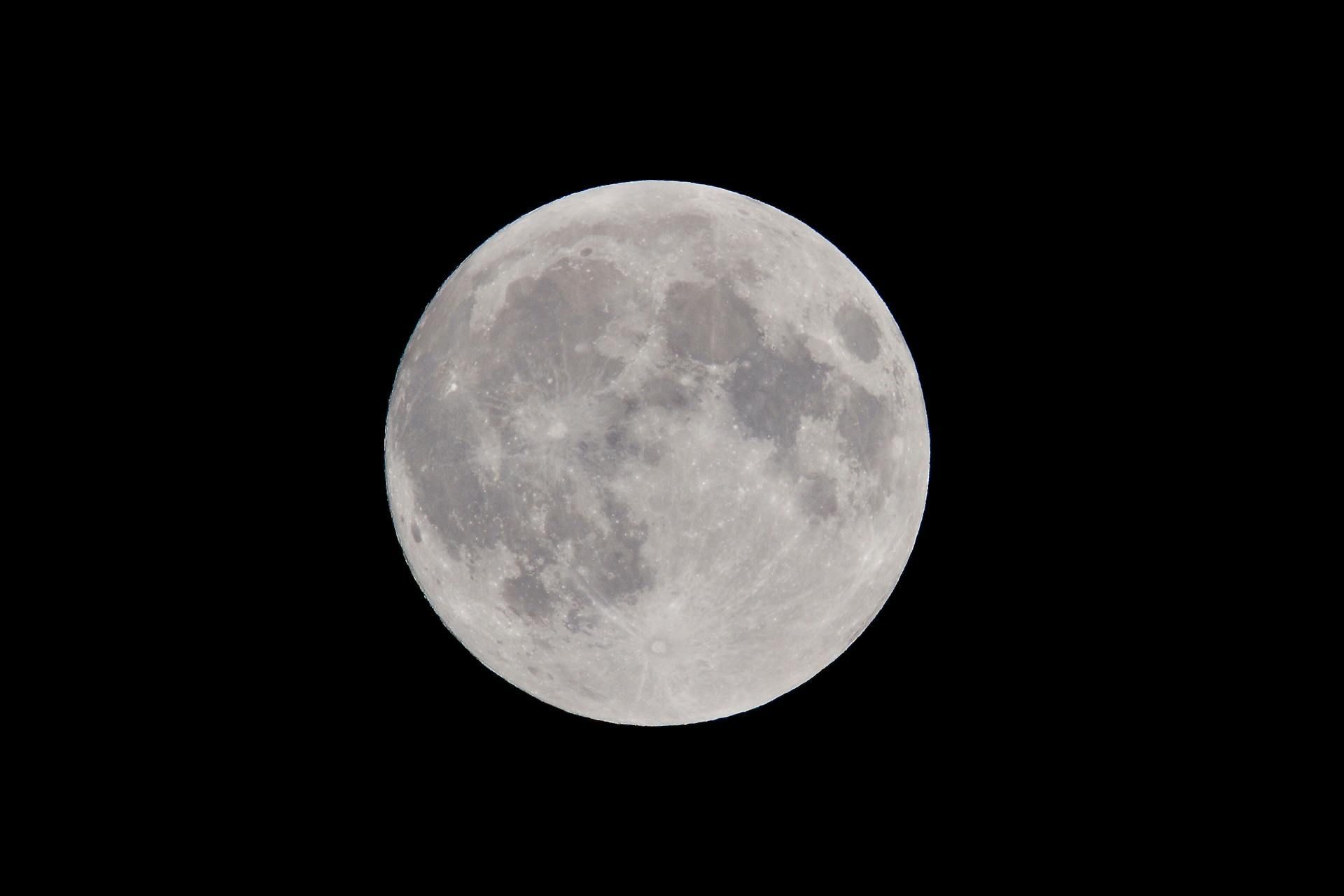
'Worm Moon' marks first full moon of Spring, but will we see it?
As March arrives, so does the first full Moon of meteorological spring; known traditionally as the Worm Moon.
As March arrives, so does the first full Moon of meteorological spring; known traditionally as the Worm Moon.
This month’s full Moon is especially noteworthy, not only because of its seasonal symbolism, but also due to a rare total lunar eclipse occurring elsewhere in the world. Although the eclipse will not be visible from the UK, the event still offers a wonderful opportunity to enjoy one of the most recognisable celestial highlights of early spring.
Here, we explore what the Worm Moon represents, how the eclipse ties into the phenomenon known as a blood moon, and what sky watchers across the UK can expect in terms of viewing conditions tonight.
What the worm moon represents
The Worm Moon is the commonly used name for March’s full Moon in the Northern Hemisphere. According to the BBC, it traditionally marks the point in the year when the soil begins to warm, encouraging earthworms to reappear after winter. These subtle shifts in the natural world have long been used as seasonal indicators, hence the naming of this Moon in recognition of spring’s gradual return.
Alongside the Worm Moon, various cultures have different names for March’s full Moon, reflecting distinctive seasonal markers. These include the Crust Moon, relating to the frozen layers of snow that begin to soften; the Crow Comes Back Moon, signalling the seasonal return of migrating birds; and the Sore Eyes Moon, referring to the sharp glare of sunlight reflecting off late‑winter snowfields. These names offer a glimpse into how communities over time have observed and interpreted the changing landscape as winter gives way to spring.
READ MORE: February & Winter weather stats: A regional breakdown
The eclipse and the “blood moon”
Although the Worm Moon is visible this evening, the coinciding total lunar eclipse will not be observable from the UK. During a total lunar eclipse, the Earth moves directly between the Sun and the Moon, casting its shadow across the lunar surface. When this happens, sunlight passing through Earth’s atmosphere is scattered; the red wavelengths bend more efficiently around the planet, gently illuminating the Moon with a deep copper or blood‑red glow. This is the origin of the term “blood moon.”
This atmospheric filtering effect is the same reason why sunrises and sunsets often appear vividly red or orange. While regions across North and South America, East Asia and Australia will experience the striking colour change this time, the Moon will be below the horizon during the eclipse from a UK perspective, meaning UK observers will only see a standard full Moon rather than the eclipsed version.
Even so, the knowledge that the event is occurring adds scientific interest and makes this full Moon feel a little more special, even if the dramatic colours are taking place out of sight.
When to see the full moon
Tonight’s Worm Moon reached its peak earlier today at 11:38 am, though full Moons typically appear full to the eye for a day or two either side of the peak. This means sky watchers still have an excellent opportunity to enjoy the bright lunar disk this evening. Because the Moon will rise after sunset, visibility will depend on cloud cover across your region, but for many, this still offers one of the better early‑spring chances to enjoy a full Moon before the lighter evenings take over later in the season.
READ MORE: Why has it been so wet this winter?
Tonight’s viewing conditions
Weather conditions across the UK this evening vary considerably, and the clarity of tonight’s Worm Moon will depend on your location. Northern Ireland and much of Scotland can expect rather cloudy skies, with conditions turning breezier through the night. More persistent and widespread rain is likely to develop later across Northern Ireland and western Scotland, reducing visibility and making lunar viewing more difficult in these areas.
Further south, however, clearer skies are more likely. Much of England, particularly eastern areas, can expect colder conditions with patchy rural frost. These clearer breaks increase the chances of uninterrupted Moon viewing. Some mist and fog patches may develop, especially across the eastern side of England, but these should remain localised and may thin out as the night progresses.
Cloud cover is expected to be more extensive across the Southwest and the Midlands. These areas may struggle to catch a glimpse of the Worm Moon due to stubborn cloud layers lingering into the night. For those in these regions, spotting the Moon may rely on brief breaks in the cloud rather than prolonged clear periods.
You can find the latest forecast on our website, on YouTube, by following us on X and Facebook, as well as on our mobile app which is available for iPhone from the App store and for Android from the Google Play store.