The new postgraduate pathway will help equip future operational meteorologists for an increasingly complex weather and climate landscape.
The first cohort has begun a new postgraduate programme developed by the Met Office and the University of Plymouth to ensure operational meteorologists are equipped with the skills needed to thrive in our radically changing world.
As technology advances, more data becomes available and customer needs become increasingly complex, the role of an operational meteorologist continues to evolve.
Today’s operational meteorologists are required to provide not only accurate forecasts, but also expert insight, advice and decision support, by turning complex weather and climate information into clear, practical advice that helps people and organisations make better-informed decisions.
The first cohort began the programme on 5 October, marking a major milestone in the partnership between the Met Office and the University of Plymouth, first announced in March this year.

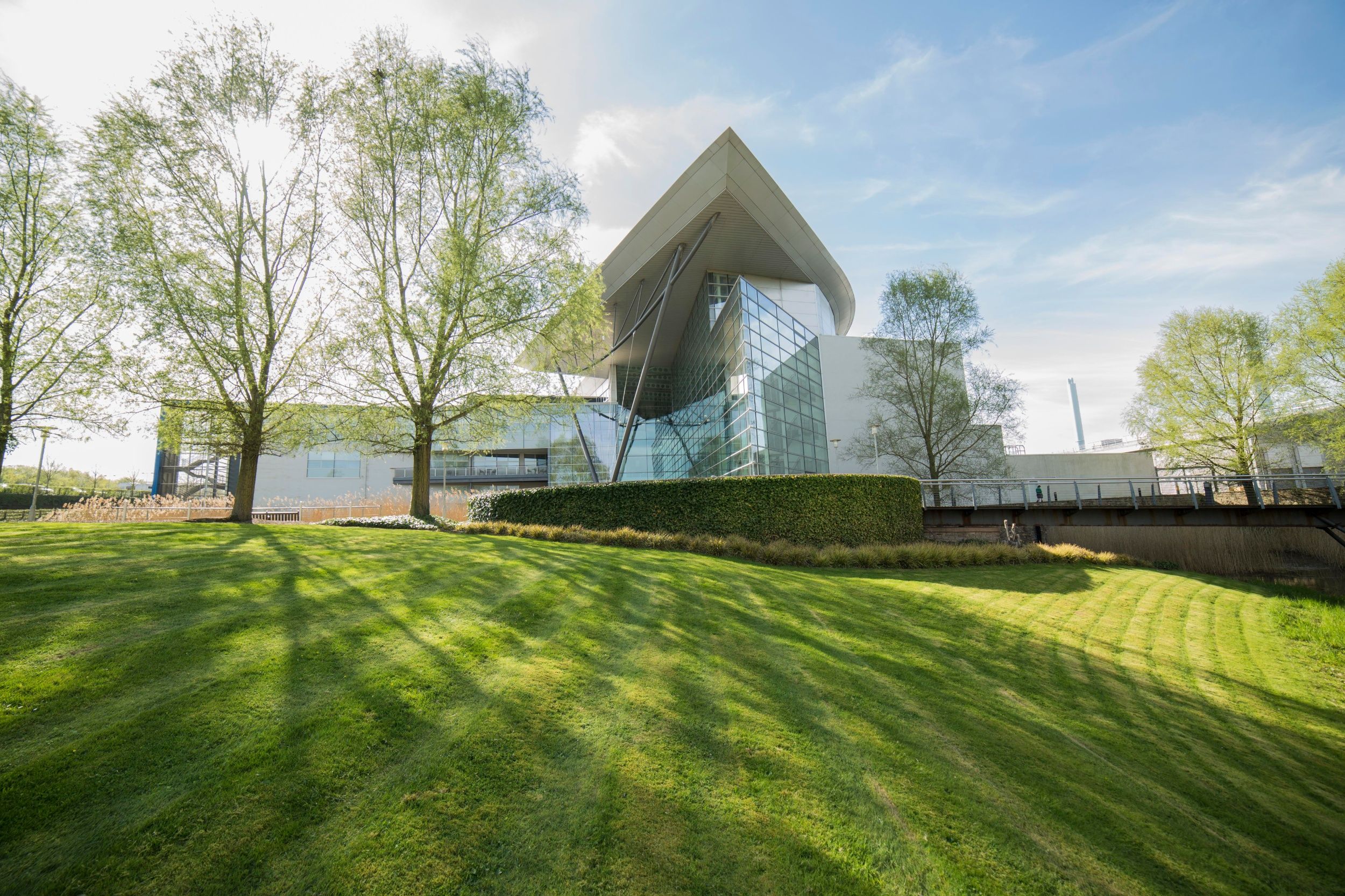
First cohort of the Foundation Operational Meteorological Programme at the Met Office's Exeter HQ.
Preparing meteorologists for a changing world
For more than 80 years, the Met Office has trained weather forecasters who provide services to customers, partners and the public.
The new programme builds on that experience while responding to the changing demands of the profession. Advances in science, technology and artificial intelligence, alongside expanding environmental data and changing customer expectations, are reshaping the skills required of operational meteorologists.

Bringing together operational and academic expertise
The programme is the result of a collaboration which unites the Met Office's world-leading expertise in operational meteorology with the University of Plymouth's strengths in course design, teaching and assessment. It combines operational excellence with academic rigour and leads to an independently accredited qualification, the Postgraduate Diploma in Operational Meteorology (PGDip).
Associate Director of Weather and Climate Intelligence at the Met Office Jon Dutton, said: "This is a major step in how we develop operational meteorologists. The new programme brings together the best of academic learning, operational expertise and practical experience, and creates a stronger foundation for people joining our profession.
“We have been training weather forecasters for more than 80 years, and are proud of the international reputation that training has built. I'm grateful to everyone who has worked at pace to get us to this point, and excited to welcome the first cohort as they begin this new journey."

Associate Dean (Education and Student Experience) in the University of Plymouth’s Faculty of Science and Engineering, Dr Matthew Watkinson, said: “We are very excited to be welcoming the first cohort of students onto this innovative professional programme.
"This is the result of a highly rewarding few months of collaboration with experts and practitioners at the Met Office, and we have co-created a programme that meets operational needs and provides students with a rich, varied and hands-on learning experience. We are honoured to have been able to help shape and now deliver this transformational programme and look forward to future education collaborations.”
Continuing to look ahead
The start of the first cohort marks the beginning of a new phase in meteorology training and represents a significant investment in the future of operational meteorology.
Looking ahead, the programme provides a platform for future developments, including flexible learning pathways, recognition of prior learning, and opportunities for continued professional development. Together, these will ensure operational meteorology continues to keep pace with changing public needs and advances in science and technology.
More information about a career in meteorology can be found here: Meteorology, weather, climate and forecasting jobs and careers at the Met Office. Exeter, UK and beyond.