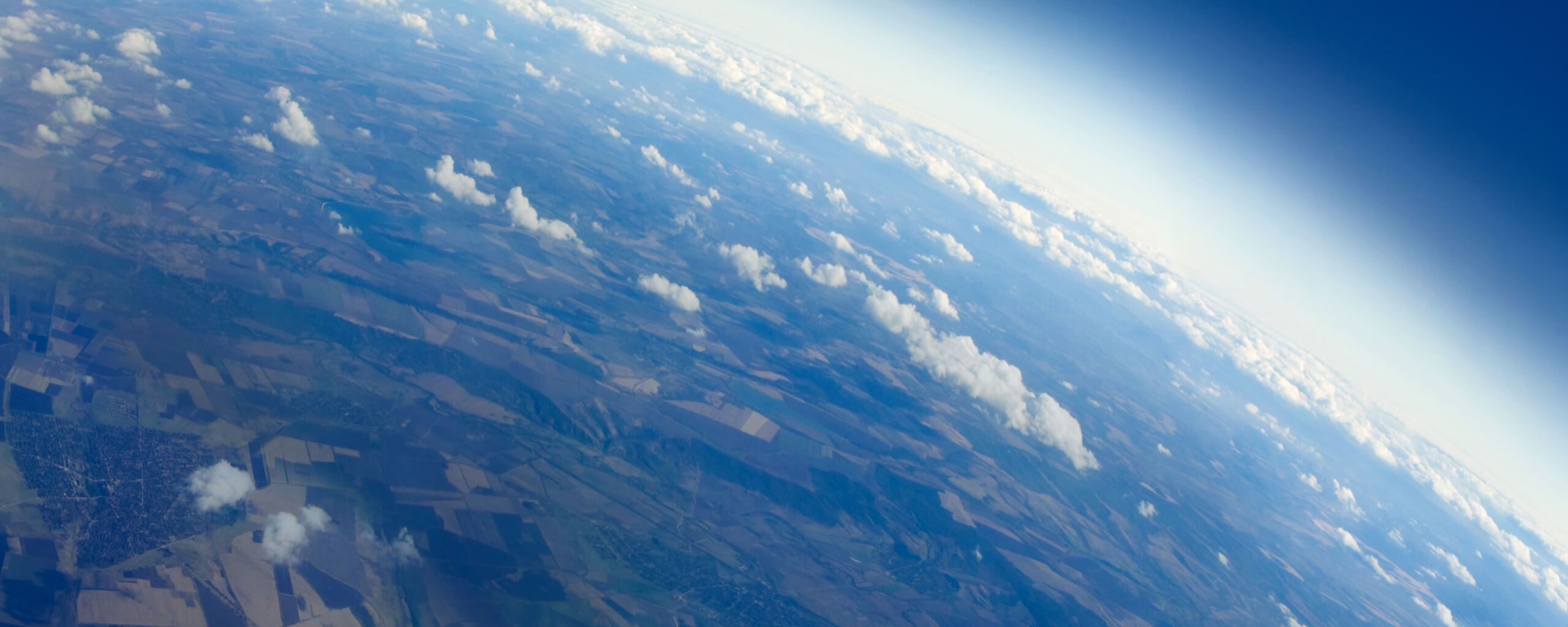
After a cold spell brought some snow to parts of northern England and southern Scotland, attention is increasingly turning much higher in the atmosphere
A sudden stratospheric warming (SSW) has taken place, disrupting the stratospheric polar vortex around 30km above the surface. But what does that mean, and could it bring colder weather to the UK as we head towards winter?
What has been happening with our weather?
The jet stream remains strong and displaced to the south of the UK, leaving us predominantly on its colder side. Low pressure will continue to bring changeable conditions, particularly across southern areas, while further north there should be more in the way of drier and brighter weather.
There could briefly be quieter conditions around Friday and Saturday, with Friday night into Saturday potentially turning particularly cold. Temperatures could fall to around-8°C or -9°C in places. Wet weather is then expected to approach from the west later on Saturday, accompanied by somewhat milder air.
Crucially, however, this recent cold weather isn't the result of the SSW. It usually takes around two to six weeks for changes in the stratosphere to feed down through the atmosphere and potentially influence our weather near the surface, though even this is uncertain.
What is a sudden stratospheric warming?
During autumn and winter, extremely cold air develops high above the North Pole. Strong westerly winds circulate this cold air, forming what we call the stratospheric polar vortex.
Sometimes, large atmospheric waves can disrupt this circulation, causing the winds to weaken significantly or even reverse direction. Temperatures in the stratosphere can then rise rapidly, hence the name sudden stratospheric warming.
What makes this event unusual?
Analysis of the atmosphere shows an unusually strong sequence of planetary waves disrupting the polar vortex.
Towards the end of October, a strong wave two pattern squeezed and weakened the vortex. This was followed during November by a wave one event, which appears to have pushed the vortex further and displaced it away from the North Pole.
Analysis using ECMWF reanalysis data suggests the wave two event was particularly remarkable. Comparable wave two events have occurred this early in the season before, but this year's was significantly stronger, with the dataset extending back into the 1940s. The combined strength of the wave two and subsequent wave one was also greater than previous examples in the analysis.
Does an SSW mean snow is on the way?
Not necessarily.
While the SSW could influence UK weather in the coming weeks, this is only a shift in chances rather than a guaranteed cold spell. In any case, cold weather also doesn't mean snow is inevitable, as a number of factors need to align for snow.
For now, the polar vortex is beginning to recover, with its westerly winds strengthening again. Some longer-range model members suggest those winds could weaken again later in December, potentially raising the possibility of further disruption, but this remains a significant uncertainty.
As we move towards December, we'll continue to monitor how the atmosphere responds to this unusually early event and what that could mean for the start of meteorological winter.
READ MORE:
How is a strong, south-shifted jet stream affecting UK weather?
Week ahead: A wintry start before colder, brighter weather arrives
November weather records: the UK’s warmest, coldest, wettest and windiest extremes
“Big freeze”? “Snow flurries”? Weather headline review
Keep up to date with weather warnings, and you can find the latest forecast on our website, on YouTube, by following us on X and Facebook, as well as on our mobile app which is available for iPhone from the App store and for Android from the Google Play store.