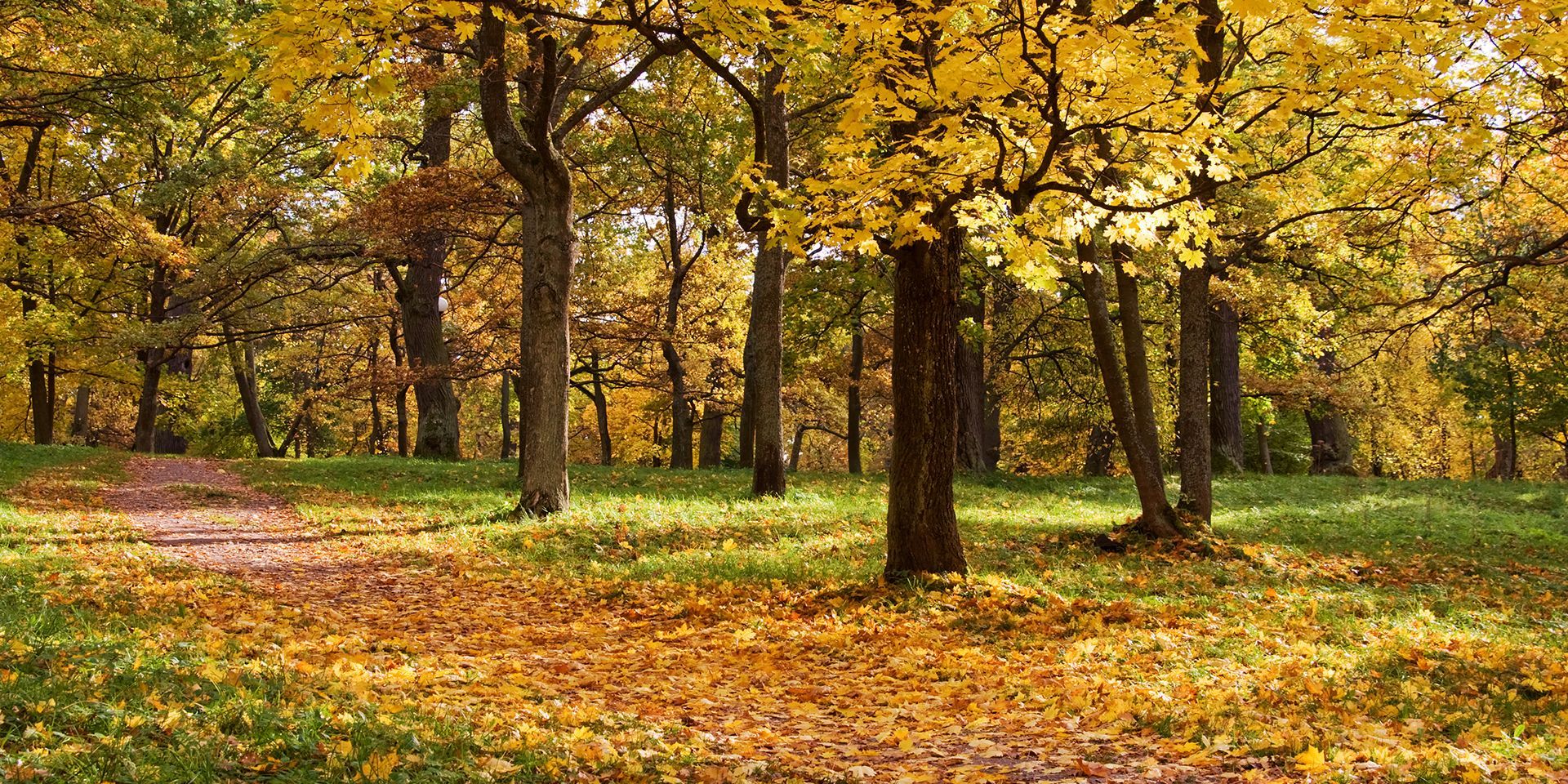
As summer draws to a close and the first signs of changing leaves begin to appear, many people start asking the same question: when does autumn actually begin?
The answer depends on which definition you use.
While some people consider autumn to begin on 1 September, others wait until later in the month. Both approaches are correct, but they are based on different ways of defining the seasons.
Autumn: a season of transition
Autumn is the transition season between summer and winter. It is often associated with cooler temperatures, harvest time and the gradual transformation of the landscape as leaves turn shades of yellow, orange, red and brown.
Across the UK, autumn can bring a striking change in weather patterns. Warm spells are still possible, particularly during September, but temperatures generally begin to decline as the season progresses. At the same time, daylight hours shorten and the likelihood of wetter and windier weather increases.
When does meteorological autumn begin?
Meteorological autumn always begins on 1 September and ends on 30 November. This definition divides the year into four fixed seasons, each lasting three complete calendar months. Autumn therefore consists of September, October and November.
Meteorologists use this system because it aligns neatly with annual temperature cycles and makes it easier to compare weather and climate statistics between different years and seasons. Using fixed dates provides consistency when analysing long-term climate records and producing seasonal summaries.
For this reason, the Met Office and other meteorological organisations use the meteorological definition when discussing seasonal weather and climate.
READ MORE: Deep dive: After a remarkable summer, meteorological Autumn has arrived
When does astronomical autumn begin?
Astronomical autumn begins with the autumn equinox, which usually falls on 22 or 23 September each year. During the equinox, the Sun shines directly above the Earth's equator, resulting in day and night being nearly equal in length across the globe.
Unlike meteorological seasons, astronomical seasons are determined by the Earth's position in its orbit around the Sun. Because the Earth's orbit is not perfectly uniform, the exact date of the equinox can vary slightly from year to year.
After the autumn equinox, nights become longer than days in the Northern Hemisphere, continuing until the spring equinox the following year.
Signs that autumn has arrived
Although calendars provide official dates, many people recognise autumn through changes in nature.
Perhaps the most noticeable sign is the changing colour of leaves. As temperatures begin to fall, chlorophyll, the chemical responsible for leaves' green appearance, starts to break down. Other pigments then become more visible, producing the vivid yellows, oranges, reds and browns associated with the season.
The brightest autumn colours often develop when a relatively dry summer is followed by autumn conditions featuring sunny days and cool, but not freezing, nights.
Many people also notice autumn's arrival through cooler mornings, earlier sunsets, increased dew formation and the return of more unsettled weather patterns. These gradual changes help mark the shift from summer's warmth towards the colder months ahead.
What is autumn weather like in the UK?
Autumn weather in the UK is often highly variable. While September can still bring warm and settled conditions, the season generally becomes cooler and more changeable as it progresses.
Shorter days and longer nights are characteristic features of the season. After the equinox, daylight hours decrease steadily, making the shortening of evenings one of the most noticeable signs that winter is approaching.
READ MORE: How pressure drives the UK's journey from summer to autumn
Autumn is also the time when Atlantic weather systems often become more influential. Low-pressure systems can bring spells of rain, strong winds and, later in the season, the first significant storms of autumn and early winter.
Using the 1991-2020 climate average, the UK's mean autumn temperature is 9.71°C, although conditions can vary considerably from year to year.
Autumn or fall?
The word "fall" is widely used in North America, but it was once commonly used in Britain too. The term originated from the phrase "fall of the leaf", referring to leaves dropping from trees. Over time, "autumn", which derives from French, became the standard term in Britain and remains the preferred word today.
Whether you mark its arrival on 1 September or wait for the autumn equinox later in the month, autumn is a season of colourful landscapes, cooler weather and steadily shortening days, bridging the gap between summer warmth and the onset of winter.
Keep up to date with weather warnings, and you can find the latest forecast on our website, on YouTube, by following us on X and Facebook, as well as on our mobile app which is available for iPhone from the App store and for Android from the Google Play store.