
Those hoping to catch a glimpse of tonight’s Beaver supermoon may have to contend with plenty of cloud, with extensive cloud cover expected across much of the UK and only a limited number of clearer spells through the night.
There will still be opportunities to see the supermoon where breaks in the cloud develop, but for many it could be a case of waiting for a well-timed gap.
A slow-moving band of rain will stretch from Scotland towards southwest England today. This will gradually weaken and is expected to move slowly westwards later, although further rain may also reach the far south. Away from this, conditions will generally be dry but with variable amounts of cloud, while frost is likely to develop where skies remain clear for long enough. It will also be windy across the far north and southwest, although coastal gales will ease.
The key factor for anyone looking skywards, however, will be the cloud. With extensive cloud expected, viewing conditions will generally be poor. Western parts of Northern Ireland and eastern England could potentially see breaks in the cloud to enable decent viewing conditions. Where cloud does thin or break temporarily, the brightness of the full moon should make it relatively easy to spot.
When can you see the supermoon?
November’s full moon, commonly known as the Beaver Moon, will reach peak illumination at around 3pm. It will remain visible through the remainder of the afternoon and into the evening.
This is not just an ordinary full moon. It is also the first in a sequence of four consecutive supermoons, with further supermoons expected in December 2026, January 2027 and February 2027.
A supermoon occurs when a full moon is close to the nearest point to Earth in its orbit, known as perigee. Because the Moon is closer to us than at other stages of its orbit, it can appear larger and brighter in the night sky.
At its most pronounced, a supermoon can appear around 14% bigger and 30% brighter than a normal full moon, although the difference in apparent size can sometimes be difficult to judge without a direct comparison.
Supermoons themselves are not especially unusual, with typically three or four occurring over a 12-month period, often consecutively.
Why is it called the Beaver Moon?
Traditional names have long been associated with the different full moons of the year, and November’s is widely known as the Beaver Moon.
There are different explanations for the name. These range from relating to the time of year when beaver traps were traditionally set, to increased beaver activity during November, when the animals prepare for winter by building dams and storing food.
November’s full moon is also sometimes known as the Frost Moon, a name associated with the increasingly chilly conditions of late autumn.
That alternative name could prove particularly appropriate tonight. Frost is expected to form in some clearer areas, although the widespread cloud that limits views of the supermoon will also help prevent temperatures falling as quickly in many places.
For the best chance of seeing tonight’s spectacle, keep an eye out for temporary breaks in the cloud. With such extensive cloud cover expected, there are unlikely to be perfect viewing conditions for many, but even a short-lived clearance could offer a glimpse of the first supermoon in this four-month sequence.
Let the Met Office app be your guide
By checking the hourly symbols on the The Met Office weather forecast app you will be able to identify the best chance of seeing the Beaver supermoon in your locality. Look for the clear sky symbol or the weather map feature.
See below for download details.
READ MORE:
Week ahead: Rain, cold winds and the risk of hill snow
Could we see a cold winter ahead?
Deep dive: What could Sudden stratospheric warming mean for the UK?
How do we help people turn career interest into opportunity?
Keep up to date with weather warnings, and you can find the latest forecast on our website, on YouTube, by following us on X and Facebook, as well as on our mobile app which is available for iPhone from the App store and for Android from the Google Play store.
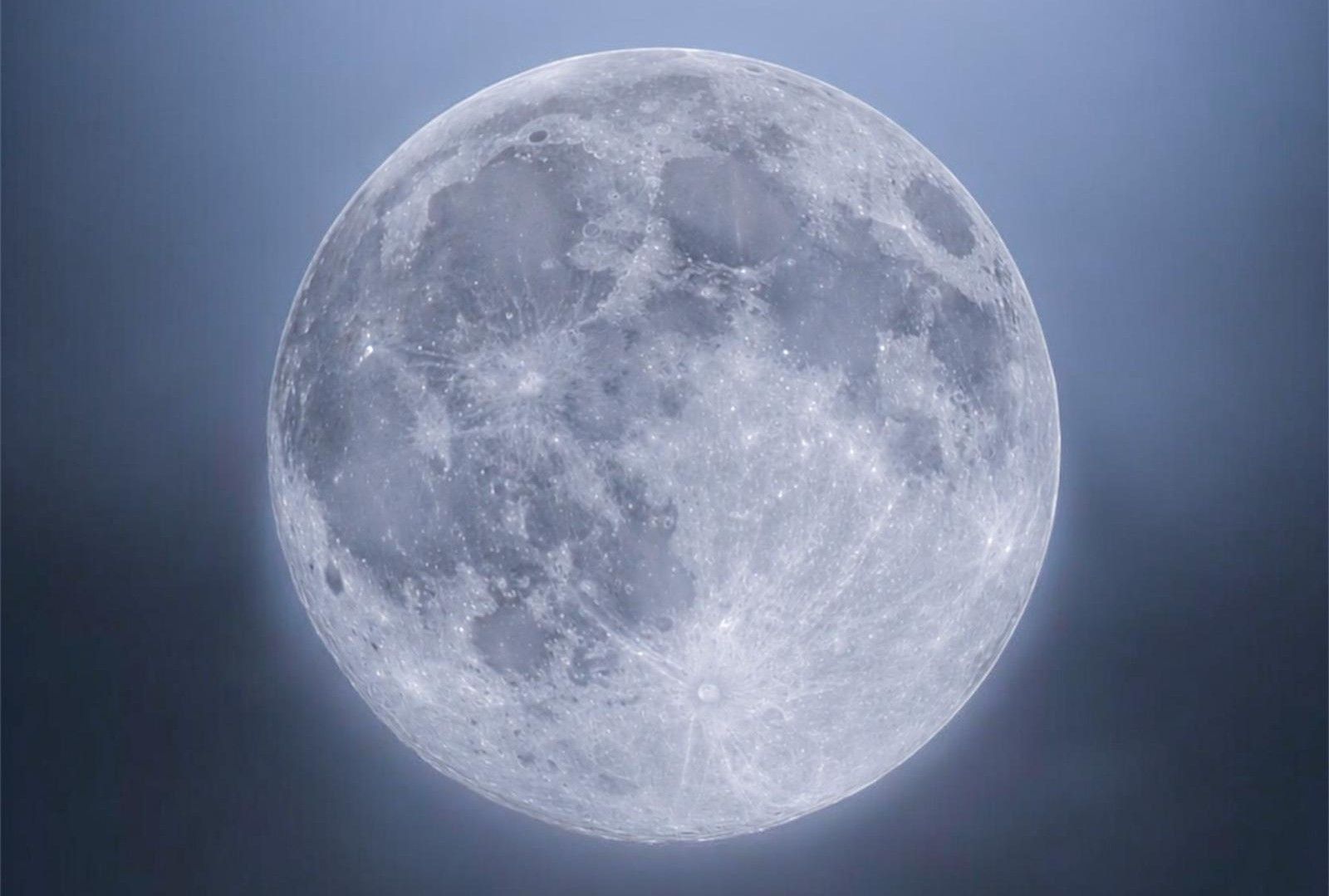
A supermoon by Aman Michael