With Storm Bram on the way, you could be wondering why it’s been named Bram, especially as Storm Benjamin and Claudia have already swept through before it.
The answer lies in how storms are named across Europe and the UK, and the partnerships that shape the official storm list. In this article, we’ll explain the process behind storm naming, why Bram is next in line, and how previous storms named by other meteorological services fit into the picture.
Why Storm Bram follows Benjamin and Claudia
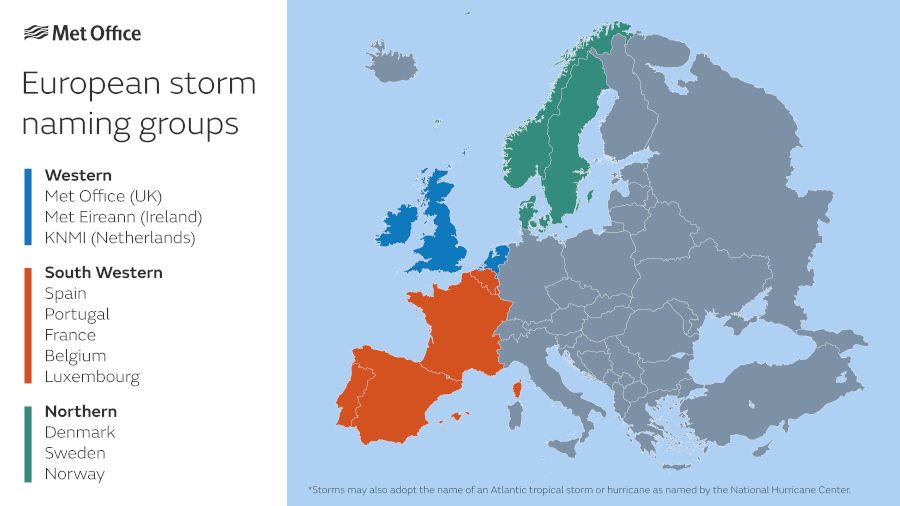
Storm Claudia and Storm Benjamin were named by the Spanish Meteorological Service and Meteo France, respectively. Neither Spain nor France are part of the Met Office’s Western Europe storm naming group, which includes Met Éireann in Ireland and KNMI in the Netherlands. When a storm is named by a meteorological service outside this group, the name is used locally but does not affect the official UK storm naming sequence.
Storm Bram, however, was named due to its potential impacts on the UK and Ireland. As a result, Bram is the next official name on the Western Europe list and has been adopted by the Met Office. This means that, although Benjamin and Claudia affected the UK, they do not count towards the UK’s official storm naming sequence. Bram is the next name from the annual list agreed upon by the Met Office and its partners.
How storms are named in the UK
When severe weather threatens the UK, clear and consistent communication is vital. The Met Office, in partnership with Met Éireann and KNMI, names storms that are likely to have a significant impact on the UK and surrounding regions. This helps the public, media, and government agencies understand the risks and take appropriate action.
#StormBram has been named by @MetEireann and is forecast to bring strong winds and heavy rain to the UK later on Monday and through Tuesday #WeatherAware pic.twitter.com/i3sH3132wc
— Met Office (@metoffice) December 8, 2025
Storm naming is a collaborative process. The Met Office works closely with Met Éireann and KNMI to create an annual list of storm names. This list is developed through public suggestions and input from partner organisations, ensuring a diverse range of names that reflect the communities served. Each year, members of the public are invited to submit name ideas, which are then reviewed by a dedicated group. Not every suggestion makes the final list; several criteria are considered to ensure names are suitable for use in weather communications:
- Pronunciation: Names must be easy to say and understand, though some may be unfamiliar due to the involvement of partners from Ireland and the Netherlands.
- Meaning: Names are checked for different meanings in different countries to avoid confusion or unintended associations.
- Sensitivity: Names linked to significant public figures, controversial topics, or politics are avoided.
- Retired names: Any name previously retired as a hurricane name will not be reused.
- Impartiality: Storms are never named after private companies or brands.
- Suitability: The frequency of a name’s submission does not influence its selection; suitability is paramount.
The importance of naming storms
The primary reason for naming storms is to provide a consistent and authoritative message about approaching severe weather. A single, recognisable name helps communication through media partners and government agencies, making it easier for the public to understand the risks, take appropriate action, and keep themselves, their property, and their businesses safe.
Storms are named when they are expected to cause disruption or damage significant enough to warrant an amber or red warning. This decision is based on the National Severe Weather Warnings service, which considers both the potential impact and the likelihood of those impacts occurring. While storms are most often named due to the threat of strong winds, other weather types are also considered. Heavy rain, as with Storm Claudia, or significant snowfall may also prompt the naming of a storm, especially when agencies such as the Environment Agency, SEPA, and Natural Resources Wales advise of potential flooding.
READ MORE: Autumn 2025 weather stats: A regional breakdown
When are new storm names announced?
Since the launch of the ‘Name our Storms’ initiative in 2015, a new list of names is published each September. This covers the period from early September to late August the following year, aligning with the seasonal increase in low-pressure systems and the potential for named storms. The latest list is revealed on 1 September, ready for the autumn and winter weather season.
READ MORE: Public picks storm names in tribute to loved ones and pets
READ MORE: Storm Bram has been named
Keep up to date with weather warnings, and you can find the latest forecast on our website, on YouTube, by following us on X and Facebook, as well as on our mobile app which is available for iPhone from the App store and for Android from the Google Play store.