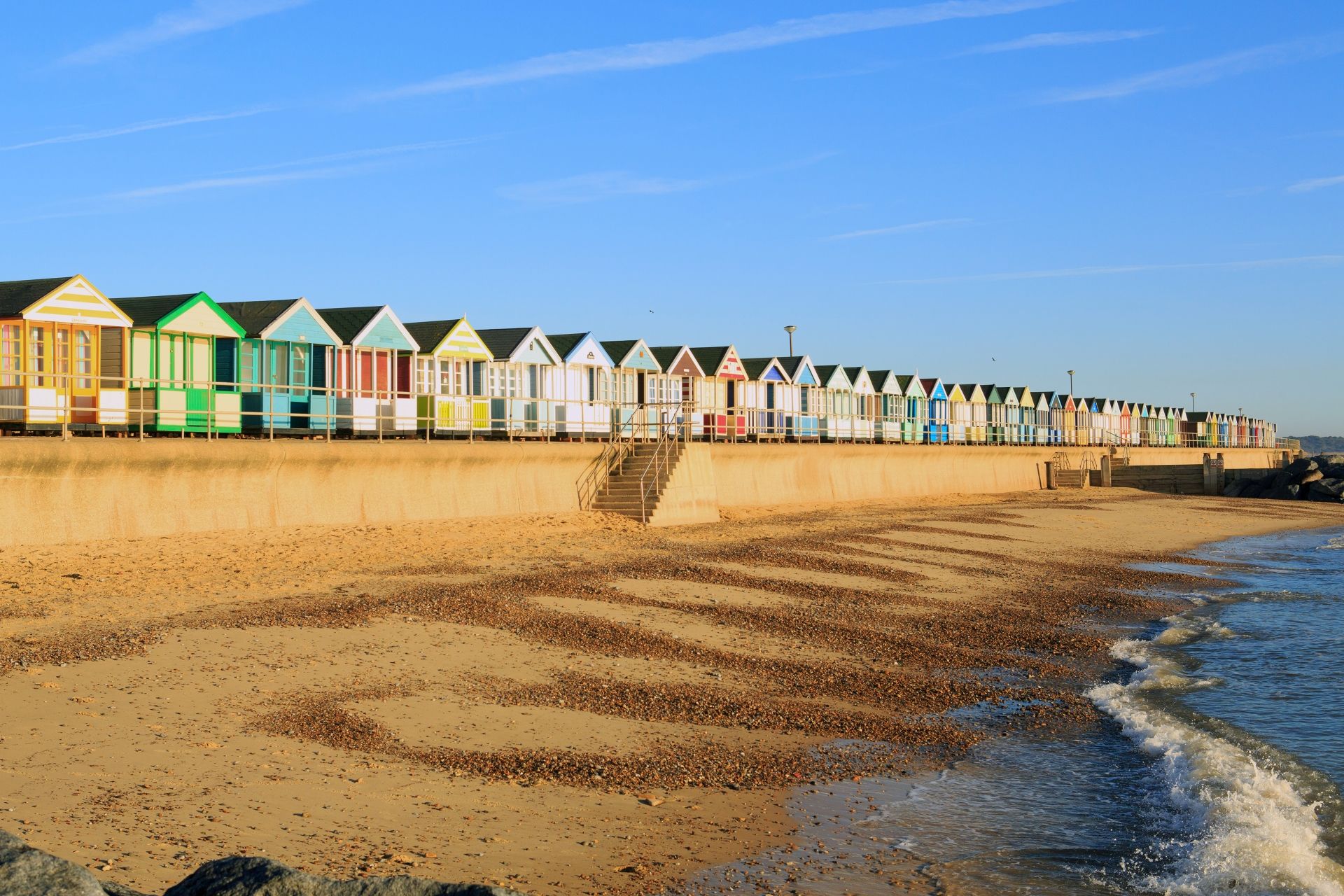
July 2026 will be remembered as a remarkable month for the UK's weather, bringing prolonged heat, exceptional sunshine and historically low rainfall to many areas.
High pressure dominated throughout much of the month, leading to warm, settled conditions across large parts of the country, while meaningful rainfall was largely confined to northern and western Scotland.
Prolonged warmth across the UK
Temperatures were consistently above average throughout July. By the middle of the month, the UK's mean daily maximum temperature was running 3.7°C above the 1991-2020 average, while the mean daily temperature was 2.8°C above average. This continued a run of exceptionally warm months, making it likely to be the sixth consecutive month with UK mean temperatures more than 1°C above the long-term average.
Heatwave conditions were widely recorded, particularly across England and Wales, where some locations experienced prolonged periods of qualifying temperatures lasting up to 15 days.
Regional figures highlight just how warm the month was. Average temperatures were more than 3°C above normal across much of southern Britain, with the largest anomaly occurring in Southeast and central south England, where mean temperatures were 3.4°C above average. Southwest England & south Wales recorded temperatures 3.1°C above average, while the Midlands were 2.9°C above average.
You can explore these records using our interactive map below.
Exceptionally dry conditions
While July is often one of the wetter summer months, rainfall was exceptionally scarce across much of the UK. Only northern and western Scotland saw anything approaching significant rainfall totals.
Nationally, the UK received just 19% of its average rainfall for the time of year, while England and Wales received only 4% of their normal July rainfall. Scotland was the least dry nation, but even there, rainfall reached only 41% of average.
Regional statistics underline the scale of the dryness. Southeast and central south England recorded just 0.7 mm of rainfall during the month, representing only 1% of average. East Anglia received 2.0 mm, or 4% of normal rainfall, while the Midlands recorded 4.1 mm, equivalent to 6% of average.
These exceptionally low rainfall totals contributed to record-breaking statistics across England and Wales. Both countries recorded their driest July on record, while Southern England experienced its driest month ever in records extending back to 1836.
You can explore these records using our interactive map below.
A record-breaking month for sunshine
Alongside the heat and dryness came abundant sunshine. July proved exceptionally bright across many parts of the UK, with several regions recording well above-average sunshine hours. Southeast and central south England recorded 360.3 hours of sunshine, equivalent to 165% of average, while Southwest England & south Wales saw 338.6 hours, or 176% of average.
The month ultimately entered the record books for sunshine as well. The UK, England and Wales all recorded their sunniest Julys on record, while England and Wales also experienced their sunniest calendar month ever observed.
You can explore these records using our interactive map below.
July 2026 was not only hot and dry but historically significant. Wales recorded its joint warmest July on record by mean temperature, while the UK and England experienced their second warmest Julys. Southern England recorded its warmest July on record.
Keep up to date with weather warnings, and you can find the latest forecast on our website, on YouTube, by following us on X and Facebook, as well as on our mobile app which is available for iPhone from the App store and for Android from the Google Play store.