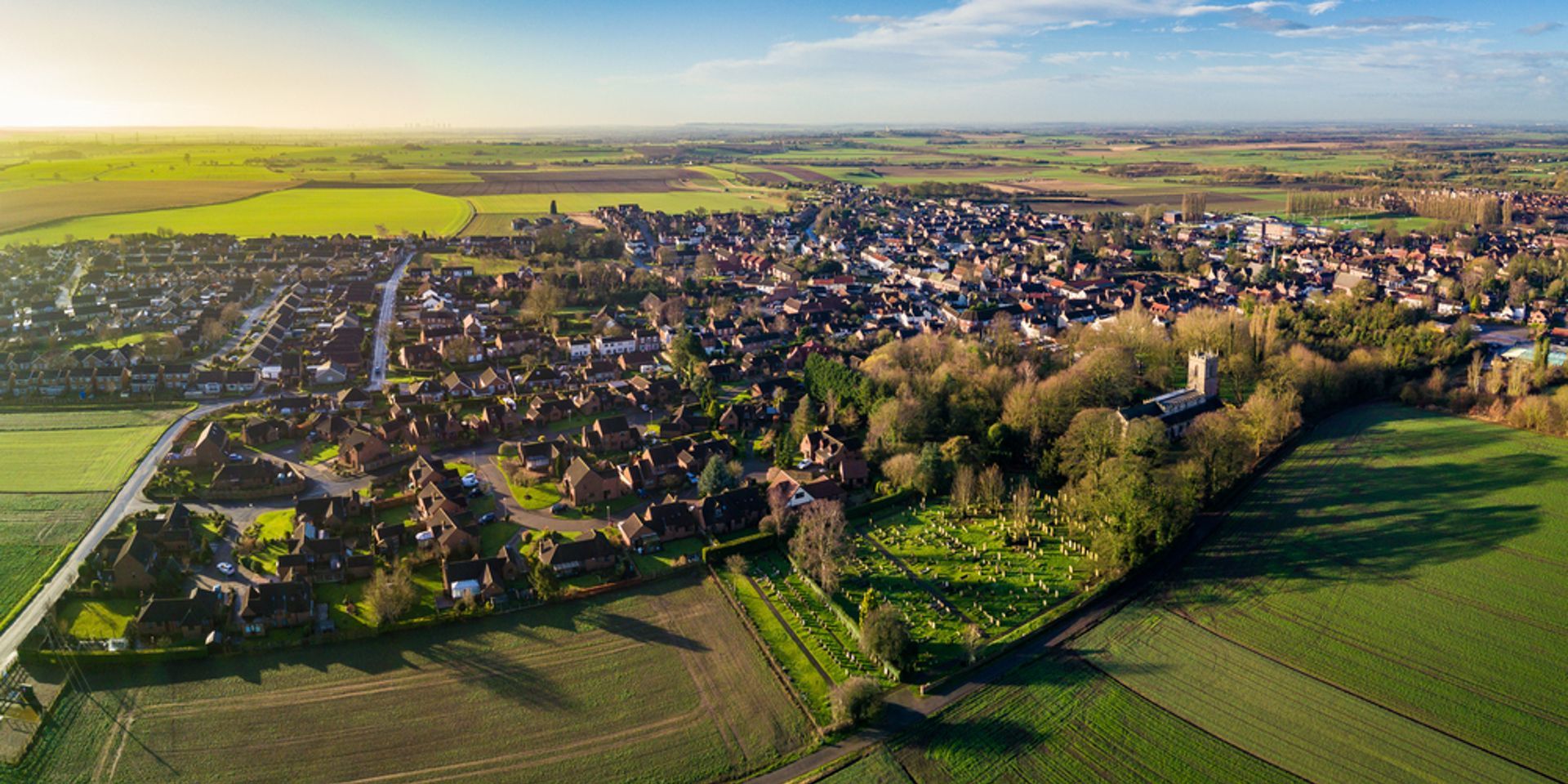
As the climate continues to change, local authorities are on the front line of adaptation.
From managing extreme weather impacts to safeguarding public health, councils are increasingly expected to plan for and respond to climate-related challenges. The Local Authority Climate Service (LACS) is helping local authorities across the UK do just that. Since its launch in October 2024, the LACS has seen over 19,000 climate reports generated and over 13,000 unique visitors to the free, open-access platform, providing users with tailored climate information to support their planning.
Real-world adaptation in action: developing case studies
But beyond the data, LACS is already proving to be a catalyst for action, helping councils get started, assess risks, and shape adaptation strategies. Working with the University of Leeds, a series of interviews were conducted with Local Authority Climate Officers in Scotland and England to understand how the LACS tool has been used in a range of ways to support adaptation planning and thus creating a series of case studies. These case studies are tangible examples of action that has been taken by users to make progress towards their climate goals. Offering ready-to-use data, visualisations, and reports that support adaptation planning and statutory reporting, service users discuss the ways in which they are using the LACS in their authority.
Getting started: building momentum and awareness
For many local authorities, the first step in adaptation is raising awareness and securing buy-in. LACS has played a pivotal role in this early stage. Durham County Council used the LACS report to brief senior leadership, successfully placing adaptation back on the corporate agenda. “The fact that it produces a report I thought was excellent, it just was high-level headlines that are really, really useful,” they said, noting how the report helped spark internal conversations.
Similarly, Central Bedfordshire Council integrated LACS data into a slide deck for elected members, using the service’s impact symbols to make climate projections more digestible. East Lothian Council took a targeted approach, sharing specific LACS data with colleagues in energy and emergency planning to highlight local risks. “We are still at that very high-level strategic stage of adaptation planning,” they explained, “but [LACS has] been a really critical part of it because, if you do anything at a local authority, you have to justify why you're doing it. Why are we doing a climate change plan? Why do we need to plan for adaptation? And the tool or the report has been a really good way of making that case of going, here's what we expect the changes in our climate to be, here's why we need to plan for these changes.”
Understanding risks: from data to decision-making
Once adaptation is on the agenda, the next step is understanding local risks. Sunderland City Council used LACS to localise national climate risk data, making it more relevant and accessible to council services. “It was incredibly timely,” they said. “Rather than sifting through all of the UKCP18 data, it was a good little snapshot to be able to use.”
In the Northeast, a combined authority commissioned a regional adaptation study and specified that consultants must use LACS to inform their work. The service’s visualisations and impact indicators are being used to support stakeholder engagement and develop adaptation pathways. As one consultant noted, “GIS will form heavily in the vulnerability assessment… being able to use those GIS layers and to be able to look at more granular assessments it provides, that's very much an area of exploration.”
Identifying adaptation options: from insight to action
While LACS is not yet widely used to develop specific adaptation actions, it is already informing strategic planning. Leeds City Council is drafting a climate action plan that draws on LACS data to justify the need for adaptation. “The precipitation rate as well is one particular interest for us because the change in the precipitation rate throughout Leeds, especially over the last 12 to 18 months, and in the impact of the surface water flooding, the intensity of rainfall and obviously the storms that we've had, I think that's a particular one that we've probably not included as much before”, said one officer. “Everyone knows about heatwaves, but to have that data about the precipitation and the causes, what that leads to, I think is an important one.”
North Tyneside Council integrated LACS data into their Climate Adaptation Strategy and Action Plan, developed as part of DEFRA’s Adaptation Reporting Power pilot. The council used LACS to engage services across highways, social care, planning, and more. “The LACS tool provided baseline detail of potential impacts all there in one place,” they said. “It informs the process at a corporate level as well as within operational activities.”
A trusted tool for a changing climate
Feedback from local authorities has been overwhelmingly positive with users valuing LACS for its clarity, accessibility, and credibility. The service has helped reduce the burden on overstretched adaptation officers by providing “all the data in one place” and offering a trusted source of evidence to support internal and external engagement.
Suggestions for improvement have been put forward by the councils using the service and these insights are helping shape the future of LACS and inform the development of the future of our UK Climate Information.
Looking ahead
The Local Authority Climate Service is more than a data platform; it’s a bridge between science and local action. By making climate information accessible, relevant, and easy to use, LACS is empowering councils to take the first steps on their adaptation journey and build resilience in their communities.
As one officer put it, “Keeping the message as simple as possible is a beneficial way to engage with people in talking about climate adaptation…Whilst there's great ambition to progress local plans, there’s been very little translation of complex climate modelling data to support the development of adaptation actions to date; the LACS tool provides this.”
The Local Authority Climate Service was launched by the Met Office in October 2024, with support from Defra as part of the third National Adaptation Programme (NAP3). LACS is built on the Met Office Climate Data Portal and powered by Esri UK’s geospatial technology, providing free, open-access climate information tailored to each local authority. Take an in-depth look at the case studies mentioned here on the Met Office website.