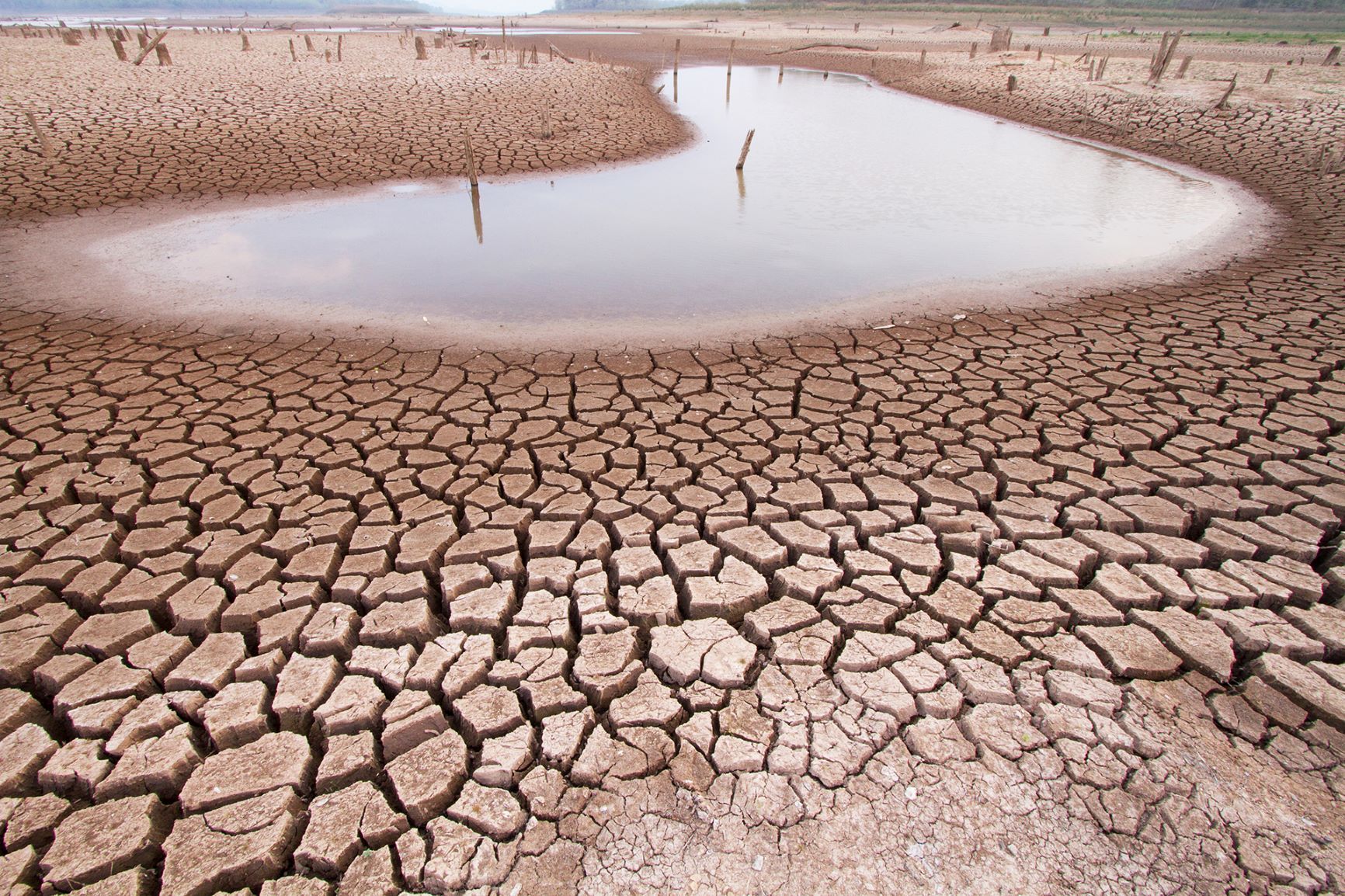
On the 50th anniversary of the start of the 1976 summer heatwave, Met Office scientists have highlighted how similar events could become significantly more intense in the future, with a plausible scenario showing UK temperatures reaching 45°C by 2056.
The anniversary comes as the Met Office issues a Red Extreme Heat National Severe Weather Warning for parts of the country for Wednesday and Thursday. This reflects the potential for significant impacts to health, infrastructure and daily life. Temperatures over the coming days will break UK June records, highlighting the severity of the current conditions.
Professor Stephen Belcher CBE, Met Office Chief Scientist, said: “The heatwave this week will be a significant weather event, with a Red Extreme Heat warning issued. Human induced climate change has made events like this more likely and more intense. To see temperatures like this in the UK in June is sobering. Events like this bring home the implications of climate change, with very high temperatures and humidity bringing significant health implications from heat stress, as well as impacts to a range of sectors such as transport, energy and water supply.”
A future heatwave scenario
The summer of 1976 remains one of the most significant weather events in UK history, characterised by prolonged heat and drought with widespread impacts on water resources, health and infrastructure.
To mark the anniversary, the Met Office has developed a plausible “2056 scenario”, based on around 2.5°C of global warming, to show how a prolonged heat event similar to 1976 could evolve in the coming decades.

The scenario indicates that temperatures could peak at:
- 45°C in England
- 41°C in Wales
- 38°C in Scotland
- 30°C in Northern Ireland
It also shows a prolonged heatwave lasting around two weeks, including nine consecutive days where temperatures exceed 40°C somewhere in the UK.
This scenario is not a forecast of a specific future event, but a scientifically plausible illustration designed to help us understand how risks could change as the climate warms.
Professor Stephen Belcher added: “Weather is the national conversation in the UK and the summer of 1976 lives on in many memories. Since then, our climate has fundamentally changed, with average UK summers having warmed by around 1.4°C. Crucially extremes have changed too.
"By using data from Met Office climate projections, we can glimpse into what an event like the 1976 summer would look like in the 2050s. It is a stark realisation to see the maximum temperatures reach 45°C.”
A changing climate
Research released alongside the 1976 anniversary shows that a heatwave comparable to 1976 would already be around 3°C hotter in today’s climate.
Professor Ed Hawkins MBE, Professor of Climate Science at the University of Reading, said:
“1976 was an extraordinary event, but it happened in a much cooler climate. As global temperatures rise, heatwaves like this are becoming more intense and more frequent.”

Image courtesy of Professor Ed Hawkins , Reading University
Wider impacts of extreme heat
The 1976 heatwave brought not only record-breaking temperatures but also drought, water restrictions and pressure on infrastructure. Images of standpipes in streets became symbolic of the impacts felt across the UK.
These risks are already being reflected in current conditions, with the Red Warning highlighting the potential for severe impacts across sectors, particularly for vulnerable people and critical services.
Scientists warn that future heatwaves could bring even greater challenges, including increased health risks, pressure on water supplies, wildfire risk and impacts on food production.
Professor Hayley Fowler FRS, Newcastle University, said: “The 1976 heatwave was about more than just heat, it led to drought, water shortages and significant impacts on daily life. In a warmer climate, those impacts are likely to become more severe.”
Supporting decision making today and in the future
The Met Office continues to provide impact-based Severe Weather Warnings to help people plan and stay safe during periods of extreme weather. The current Red Extreme Heat warning reflects not just high temperatures, but the heightened risk to health, infrastructure and essential services.
By looking back at 1976 and exploring future scenarios, scientists can better understand how risks are evolving and support decision making across government, industry and communities.