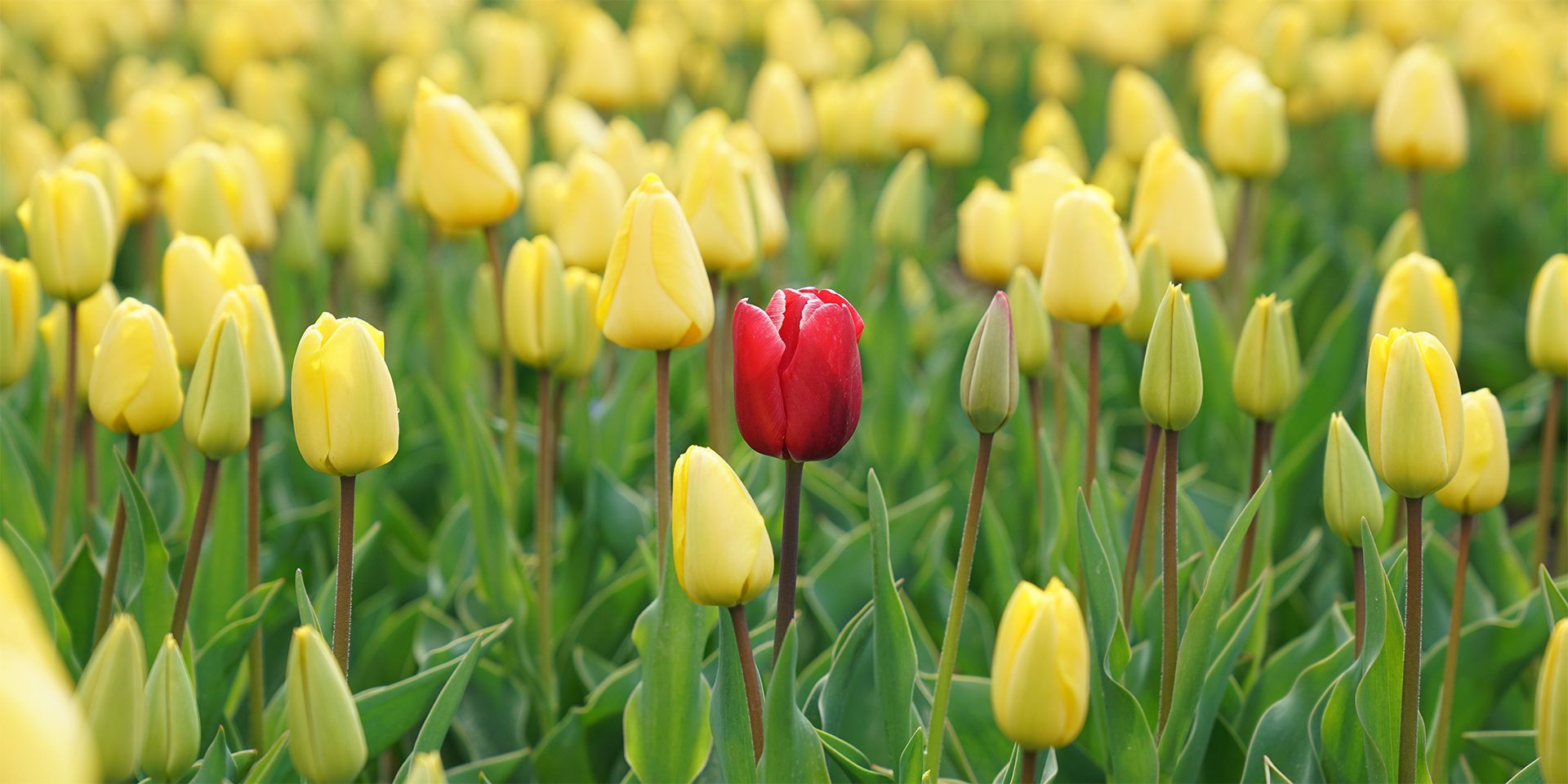
Spring is one of the most eagerly anticipated times of the year, bringing a shift from the darker, colder months into a season that feels brighter, lighter and full of renewal.
But the question “when does spring start?” is not as straightforward as it seems. Depending on whether we look at the meteorological calendar or the astronomical one, the beginning of spring can fall on different dates. Both methods are widely used, and both tell us something important about the way we observe and measure the seasons.
For the Met Office, understanding the start of spring is more than a date in the calendar, it helps us define, record and communicate seasonal changes that influence everything from temperature patterns to pollen levels. And for many people across the UK, spring also carries a strong emotional and cultural meaning: it’s a season associated with new life, blossoming plants and the gradual return of warmth.
Meteorological spring
Meteorological seasons offer a simple and consistent way of dividing the year. In the UK, meteorological spring always begins on 1 March and ends on 31 May, with the three‑month season allowing scientists to compare long‑term climate records more easily. Each year is broken into four fixed seasons, each lasting three months, which provides a clear framework for analysing changes in temperature, rainfall and sunshine. This consistency makes meteorological spring particularly useful for climate monitoring, long‑term forecasting and helping people understand typical seasonal weather conditions.
READ MORE: Why has it been so wet this winter?
Under this system, spring acts as a bridge from the cooler, unsettled weather of winter to the warmer, more stable conditions that summer can bring. While day‑to‑day weather may vary, meteorological spring allows climate specialists to track broader patterns across the seasons.
Astronomical spring
Astronomical spring, by contrast, is defined by the position of the Earth in relation to the Sun. It begins on the vernal equinox, which falls around 20 March in the Northern Hemisphere. On this day, day and night are roughly equal in length, marking a turning point in the year when daylight hours begin to increase more rapidly.
Unlike the fixed meteorological calendar, the precise date of the equinox can shift slightly from year to year. This variation is caused by the Earth’s axial tilt and the slight elliptical shape of its orbit around the Sun. Despite these differences, the astronomical definition is deeply rooted in the natural markers many people associate with spring, longer days, brighter mornings and the first signs of seasonal growth.
Signs of spring
While calendars help us define the season scientifically, many people notice the arrival of spring long before the official date. Nature provides a range of recognisable cues that signal the transition.
Longer days
One of the clearest signs is the gradual increase in daylight. After the vernal equinox, the balance tips in favour of longer days, with earlier sunrises and later sunsets. This increase in daylight plays a major role in shaping plant and animal behaviour and often boosts people’s sense of energy and wellbeing.
Warming temperatures
As the Sun climbs higher in the sky during spring, daytime temperatures begin to rise. Although nights can still feel chilly, partly because the ocean remains relatively cool after winter, many parts of the UK experience noticeably warmer afternoons, especially towards late April and May.
Nature’s signals
Plants and wildlife offer some of the most familiar markers of the season. Blossoming trees, the return of birdsong and increased insect activity are classic indicators that spring is underway. This is part of what scientists call phenology - the study of seasonal changes in plants and animals. Interestingly, the word “vernal” stems from the Latin for “bloom”, reflecting the well‑known burst of natural colour and life at this time of year.
Weather in spring
Spring weather can be some of the most varied of the year. The season is often characterised by a mix of calm, dry spells and sudden changes as the atmosphere adjusts towards summer conditions.
READ MORE: February’s weather extremes: a closer look at February's current weather records
Regional differences
Spring does not arrive uniformly across the country. Northern areas, including Scotland, typically remain cooler for longer, while southern parts of the UK tend to warm up earlier. These regional contrasts shape how spring is experienced, from early blooms in the south to lingering frost risks further north.
A chance of snow
Despite spring’s milder reputation, snow remains a possibility - especially in March. In fact, statistically, March sees a higher likelihood of snow or sleet than December. This means that snow around Easter, while surprising to some, is not unusual in the UK climate.
Average temperatures
Across the 1991–2020 climate period, the long‑term average UK spring temperature is 8.08°C. This reflects the gradual warming trend through March, April and May, with May typically bringing the first consistently warm days of the year. This is several degrees higher than the long-term average for UK winter, which stands at 4.09°C.
What causes the seasons?
Spring is just one part of the annual cycle of seasons, each shaped by the Earth’s tilt. The Earth’s axis is tilted at 23.5 degrees, and as the planet orbits the Sun, different regions receive varying amounts of solar radiation. This change in sunlight is what creates the shifting seasons, longer days and rising temperatures in spring, followed by the warmth of summer, the cooling of autumn and the shorter days of winter.
Understanding this process helps explain not only when spring begins, but why the season plays such an important role in the natural world.
Keep up to date with weather warnings, and you can find the latest forecast on our website, on YouTube, by following us on X and Facebook, as well as on our mobile app which is available for iPhone from the App store and for Android from the Google Play store.