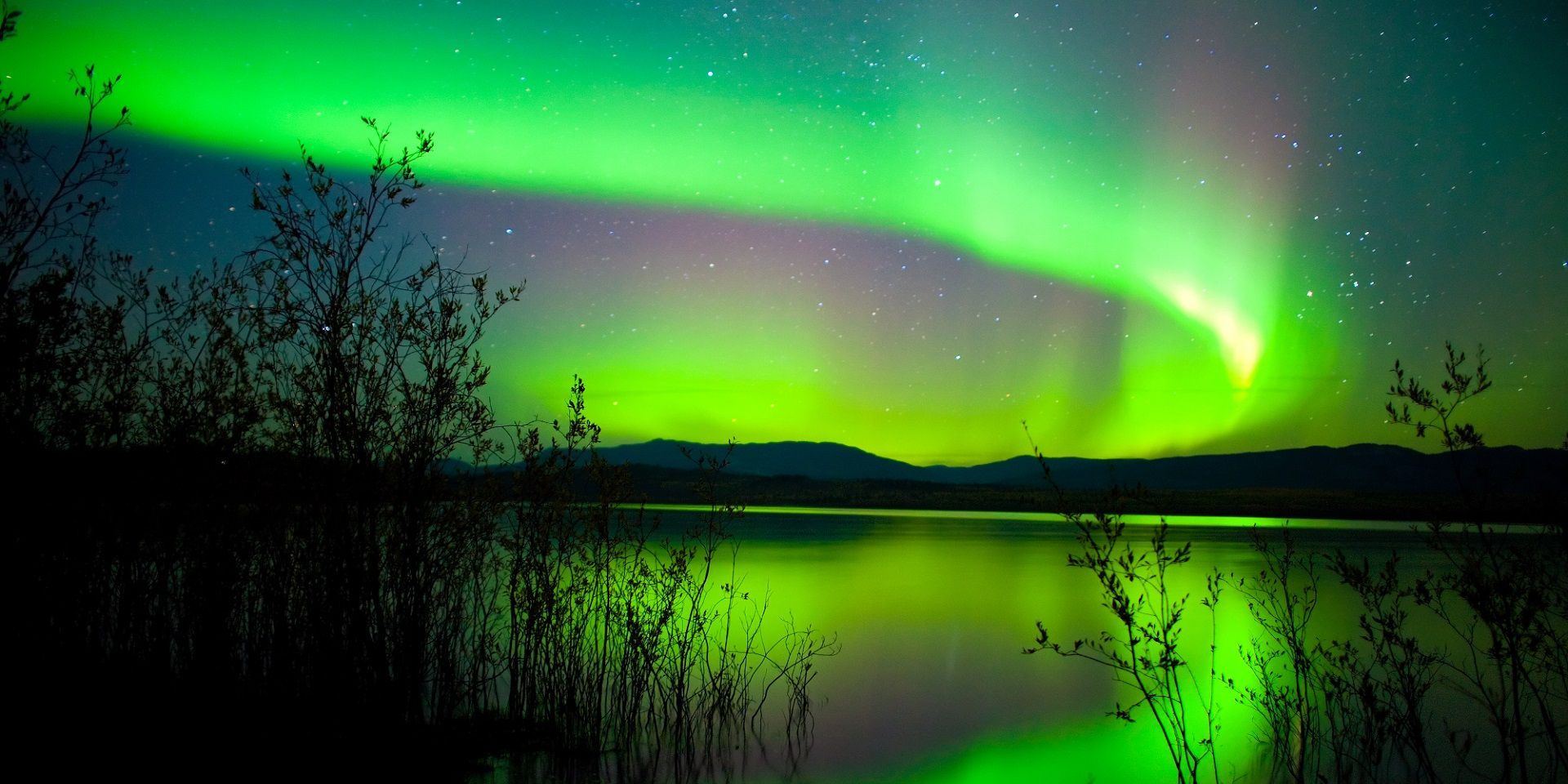
A period of enhanced space weather activity could offer a chance of aurora sightings across parts of the UK, although opportunities will depend heavily on both solar conditions and cloud cover.
While solar conditions may briefly favour aurora sightings, cloud cover will play a crucial role in determining visibility across the UK.
Through Friday evening and overnight, clearer spells are expected initially for many areas. However, conditions are expected to deteriorate from the southwest, where thickening cloud and outbreaks of rain will spread north-eastwards.
Across southern and western parts, increasing cloud cover, rain and strengthening winds are likely to limit any chances of seeing the aurora. The best chance of clearer skies is therefore expected across more northern and northeastern areas, particularly earlier in the night before cloud extends further.
Where sightings are most likely
Taking both the space weather and surface weather into account, the most favourable areas for any aurora sightings could potentially be:
- Scotland, particularly northern and eastern regions where clearer skies are more likely for longer
- Northern Ireland, where brief clearer spells may coincide with peak activity
There is a lower probability for northern England, and the chances diminish further south, where cloud cover reduces the likelihood of visibility.
A good chance of an aurora across northern Scotland tonight 🌠
— Met Office (@metoffice) June 5, 2026
Being the start of summer, it'll stay relatively light for longer so could be difficult to see with the naked eye pic.twitter.com/sGLUZtZNa2
There is, however, some uncertainty around the potential for aurora sightings. The longevity of the current increase in activity is unclear, and it may begin to weaken by the time darkness falls. Any further enhancements to activity are considered low confidence, making it uncertain whether conditions will remain favourable through the night.
READ MORE: What are the Northern Lights and what causes them?
In addition, while northern parts of the UK are typically best placed for any sightings, the short window of darkness at this time of year also limits opportunities. If peak auroral activity does not coincide with these limited hours, it is unlikely that displays will be visible to the naked eye, although cameras may still capture some activity.
Outlook for the weekend
Beyond Friday night, space weather conditions are expected to settle, with no significant activity anticipated over the following days. As a result, widespread aurora sightings are unlikely through the remainder of the weekend.
Current aurora forecast
An incoming coronal mass ejection (CME) is expected to drive an increase in auroral activity. As of Friday morning, the arrival timing remains uncertain, but there is an expectation of heightened activity developing through the early part of the day.
If this increase occurs as anticipated, there is potential for the aurora borealis to be visible across Scotland and Northern Ireland, especially where skies remain clear. There is also a smaller chance that northern parts of England could catch a glimpse, although this is more marginal.
Any enhanced activity may continue into Friday night, before gradually easing. However, forecasts of this nature can change rapidly depending on the precise arrival and strength of solar material interacting with the Earth’s magnetic field.
Keep up to date with weather warnings, and you can find the latest forecast on our website, on YouTube, by following us on X and Facebook, as well as on our mobile app which is available for iPhone from the App store and for Android from the Google Play store.