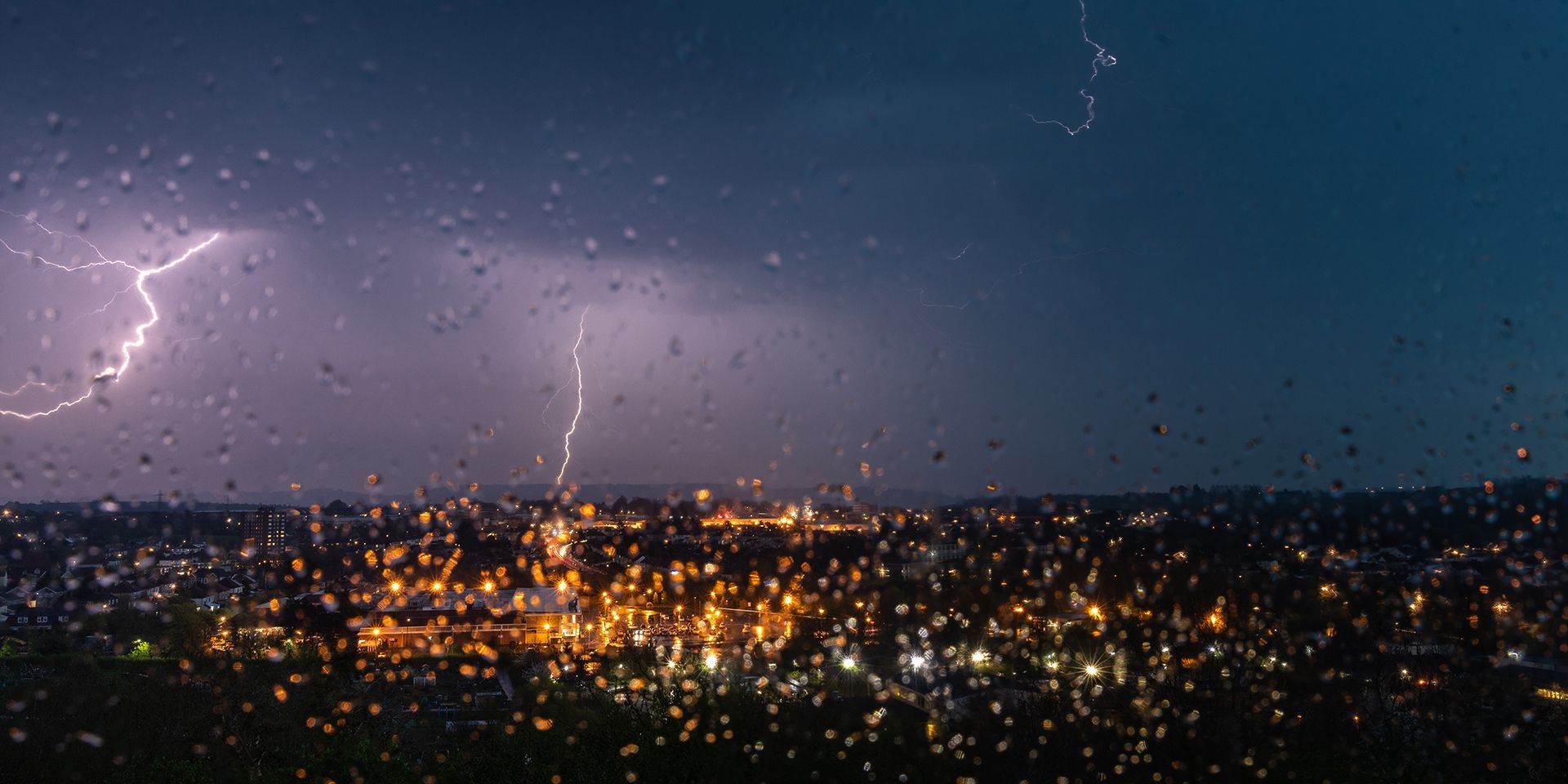
Warnings for thunderstorms have been issued for many western parts of the UK in the coming days, as a transition to the weather pattern is on the way.
While many areas will stay dry, those that do see storms could experience heavy downpours, frequent lightning and gusty winds of up to 50–60 mph. Some of the most frequent impacts are likely along parts of the Devon and Cornwall coasts initially, before spreading more widely on Friday with further warnings issued.
These storms come after another very hot day, and it is this heat that plays a key role in their development. So, why do we get the most severe thunderstorms in hot weather?
Why thunderstorms develop in hot weather
Thunderstorms are most likely to occur when the atmosphere becomes unstable. This typically happens when very warm air near the surface sits beneath much cooler air higher up. During periods of hot, humid weather, especially after a few days of strong sunshine, the ingredients for this instability are often in place.
Hot conditions increase the amount of energy in the atmosphere. As the warmed air near the surface rises, it begins to cool and condense, forming large, towering clouds known as cumulonimbus. These clouds can grow rapidly and are capable of producing heavy rainfall and thunderstorms.
READ MORE: 10-day trend: Hot spell peaks before a return to more changeable conditions
Inside these clouds, powerful updrafts and downdrafts create a turbulent environment. Water droplets, ice crystals and hailstones collide, generating electrical charges within the cloud. Over time, this build-up of charge becomes strong enough to be released as a sudden electrical discharge — lightning.
The flash of lightning heats the surrounding air extremely quickly, causing it to expand rapidly and produce a shock wave. This is what we hear as thunder.
Staying safe in thunderstorms
Thunderstorms can develop quickly, often in a matter of hours, and can be highly localised. They may bring sharp, short-lived changes in weather conditions, including torrential rain, strong winds and lightning.
While they can provide some welcome rainfall after hot weather, they can also bring disruption, particularly where downpours are intense.
READ MORE: Deep Dive: Why so hot and humid?
Be prepared ahead of thunderstorms by considering whether your location could be at risk of flash flooding and, if so, putting a flood plan in place along with an emergency kit. It’s also a good idea to secure loose items outdoors, such as garden furniture, trampolines, or bins, before any gusty winds arrive. Travel disruption is also possible, so checking road conditions or public transport updates before setting out can help you avoid delays. Power cuts can occur during storms, so having torches, spare batteries and a mobile phone power pack to hand can make a difference.
If you are outside when a thunderstorm develops, act quickly to find safe, enclosed shelter, such as inside a building or a car. Avoid taking cover under trees or near tall structures, as these can be struck by lightning. If you are in an exposed or elevated area, move to lower ground as soon as possible. Thunderstorms can develop rapidly and warnings may change, so it’s important to stay up to date with the latest forecast and any weather warnings in your area.
https://www.youtube.com/watch/Q-XrvnoELDM?start=0Keep up to date with weather warnings, and you can find the latest forecast on our website, on YouTube, by following us on X and Facebook, as well as on our mobile app which is available for iPhone from the App store and for Android from the Google Play store.